For our 2017 vacation, we decided to check off the top destination on my travel “bucket list”: Peru. We traveled through G Adventures/National Geographic Journeys on the Inca Explorer tour. We chose to travel in what is, statistically, the driest time of the year in the Peruvian Andes and highlands: May through June. It turned out to be an excellent choice, as we were fortunate to have great weather throughout the trip. Great weather makes for great pictures, so here we go…
Day 1: Lima
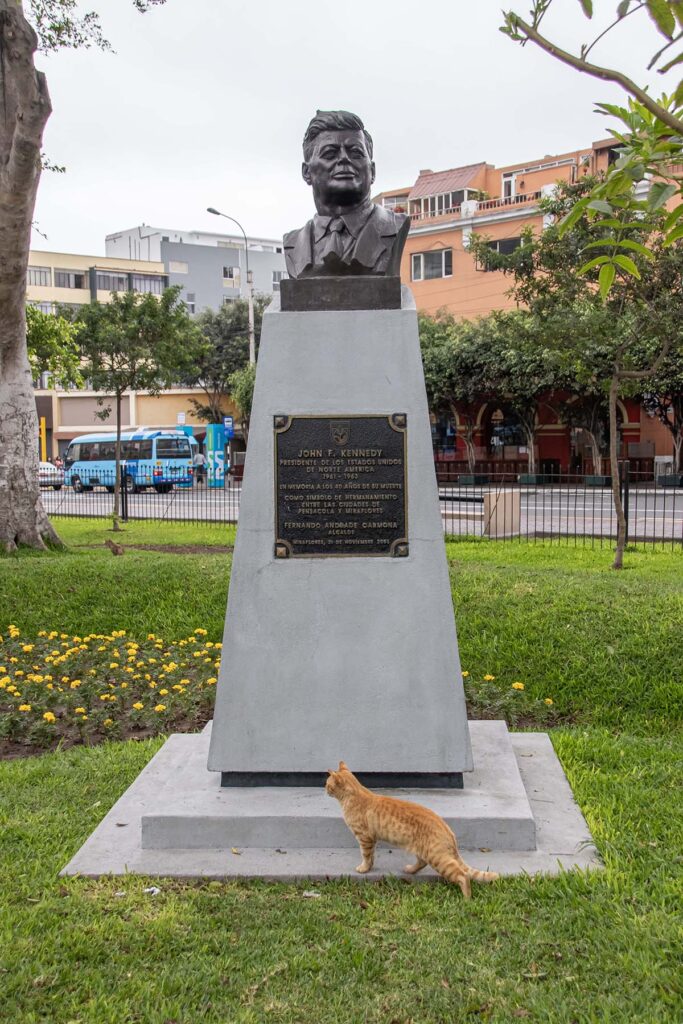
Parque Kennedy is known for the many cats that call it home. The numbers have dwindled in recent years since a rescue organization started working to adopt the cats to forever homes.
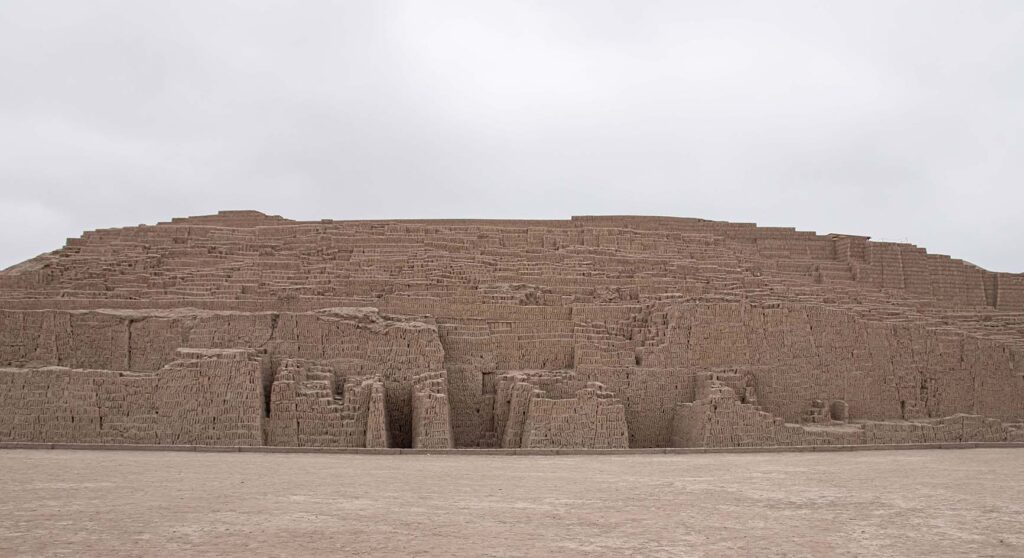
Huaca Pucllana is a pre-Inca pyramid in the Miraflores District of Lima. It dates to around 200-700 BC and is made of adobe brick.
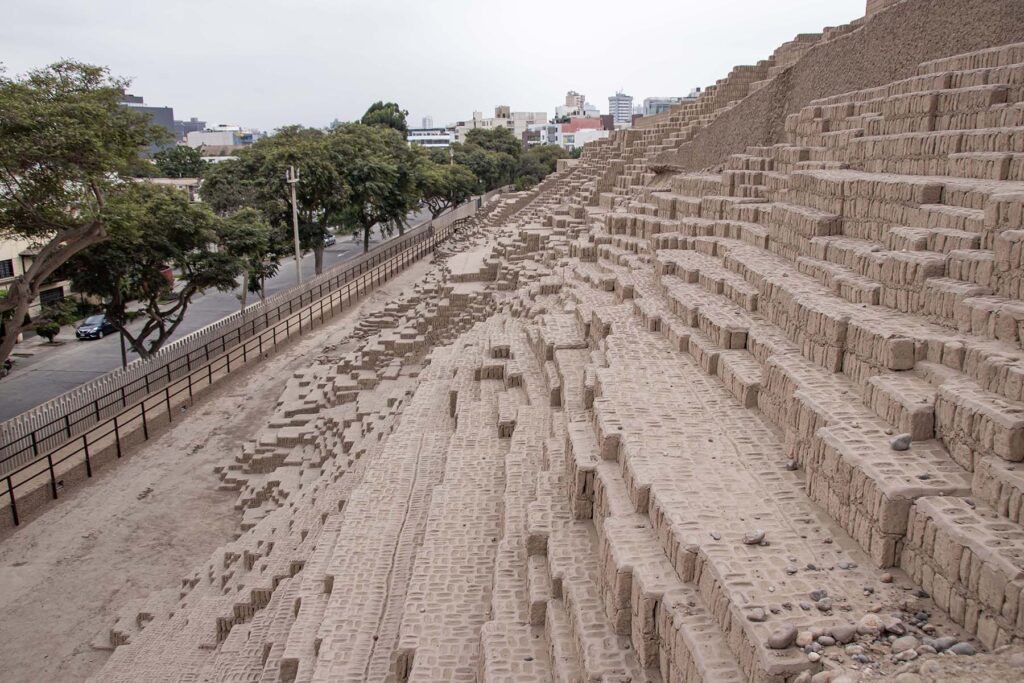
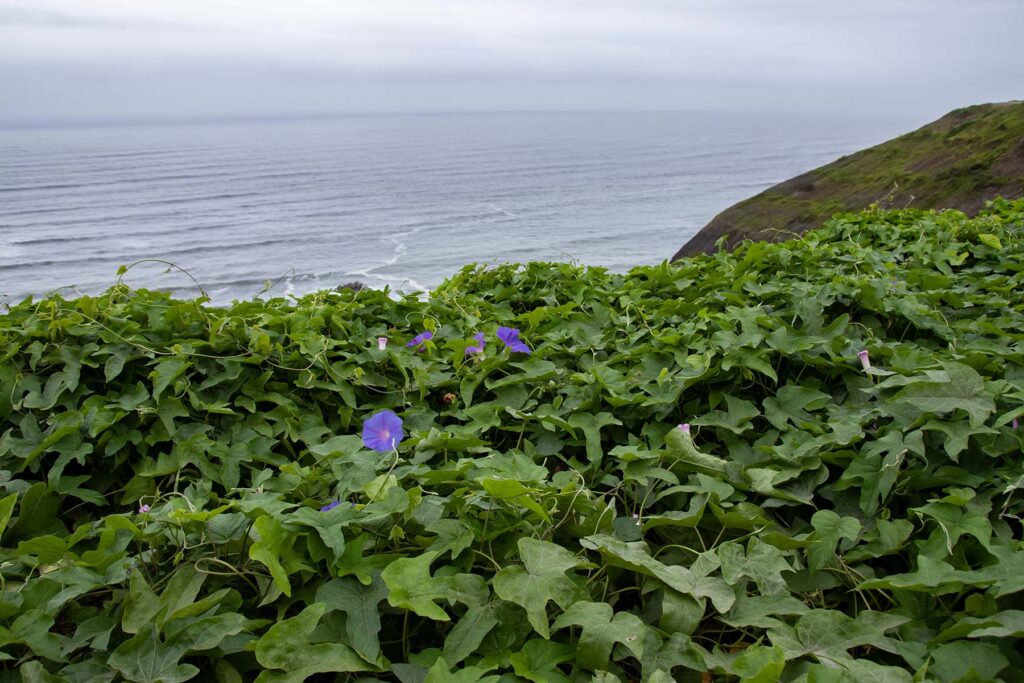
Though it is in a desert, Lima is located on the Pacific coast. The Humboldt current keeps the water cool and the area is frequently covered in a fog the locals call “la garua.”
Day 2: Lima to Paracas
We arrived in Paracas, a coastal town about a four hour drive from Lima, just in time for a late afternoon walk along the shore and sunset.
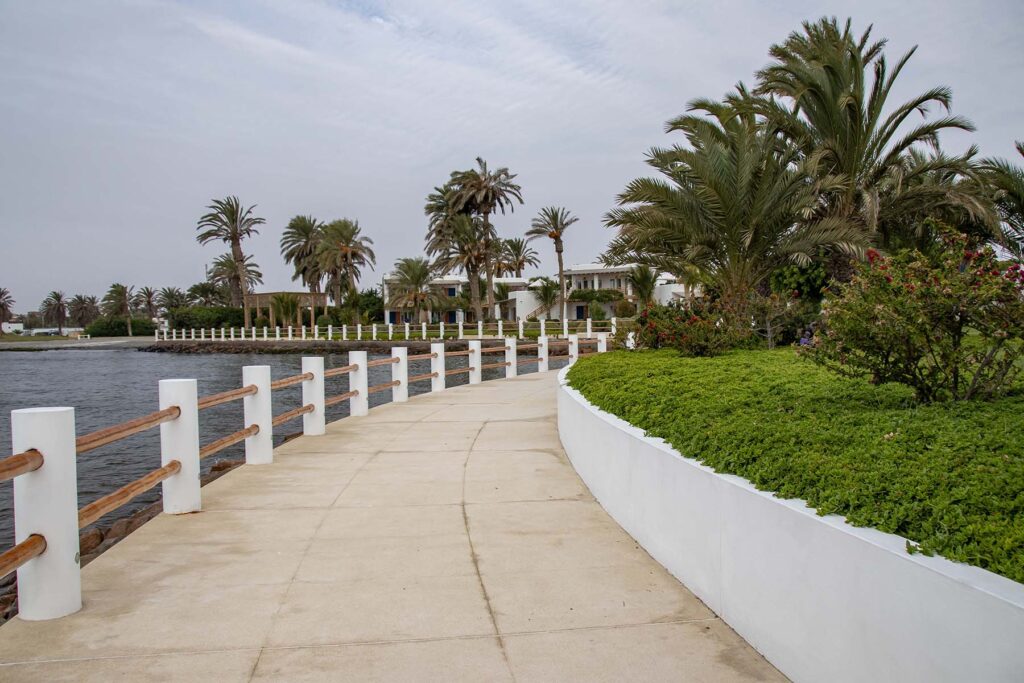
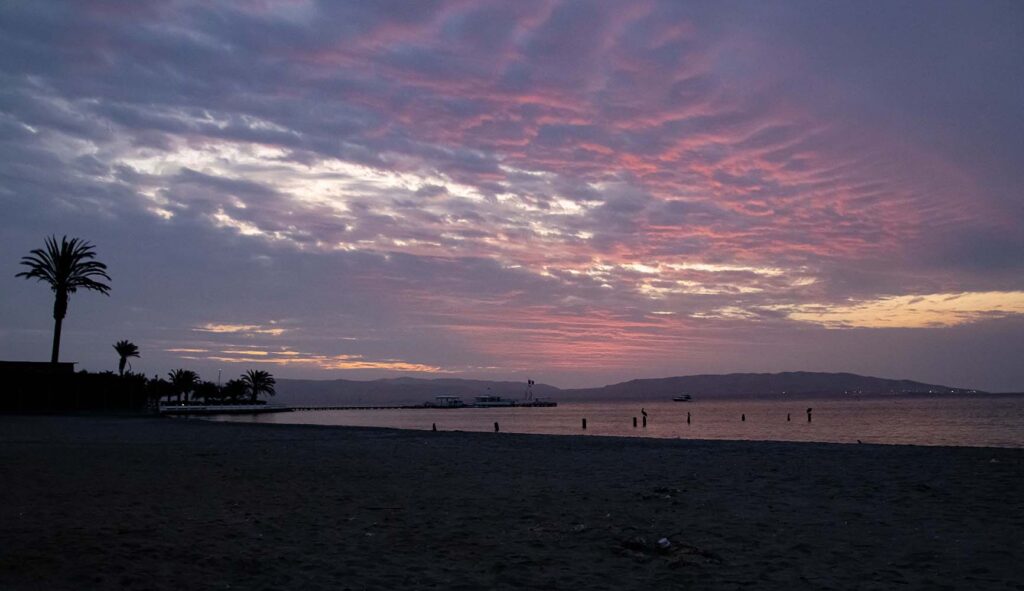
Day 3: Ballestas Islands, Tacama Winery, Huacachina Sand Dunes, and Nazca (what a day!)
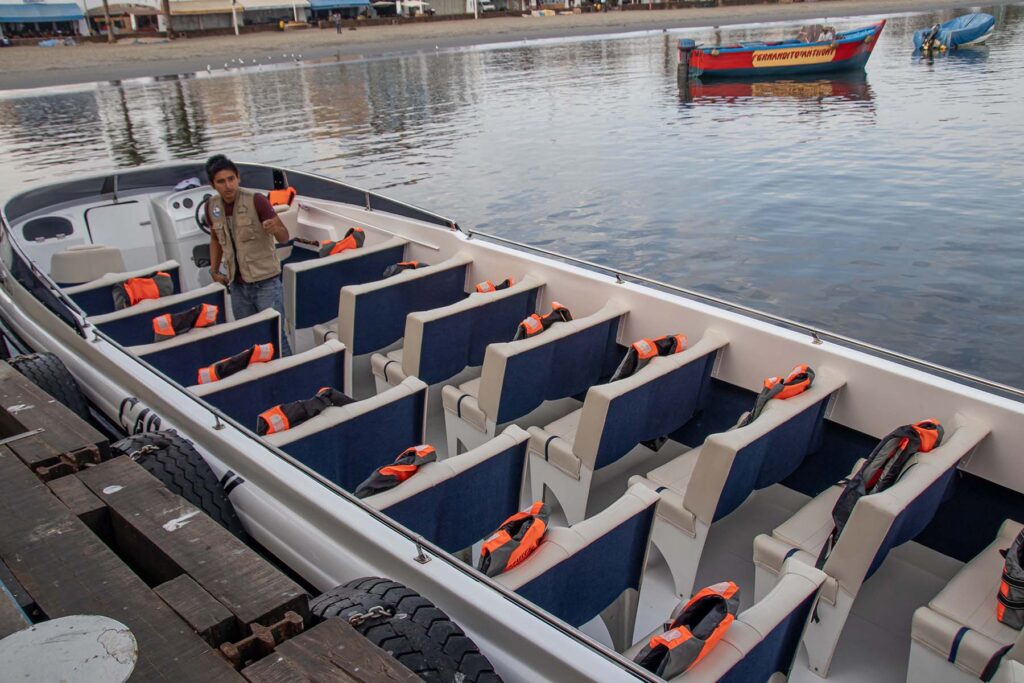
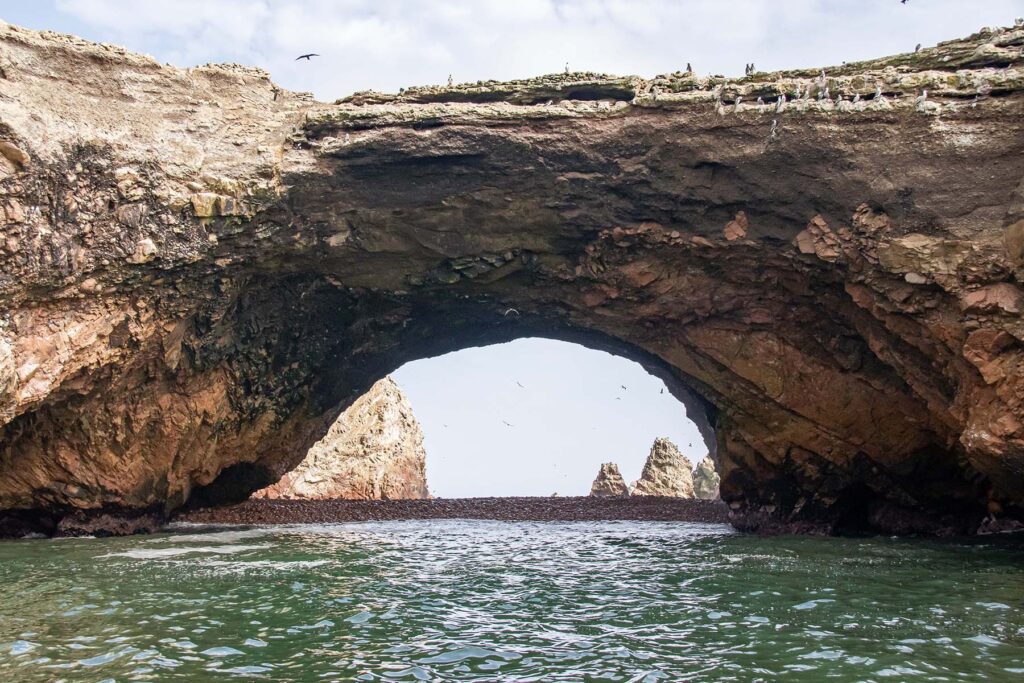
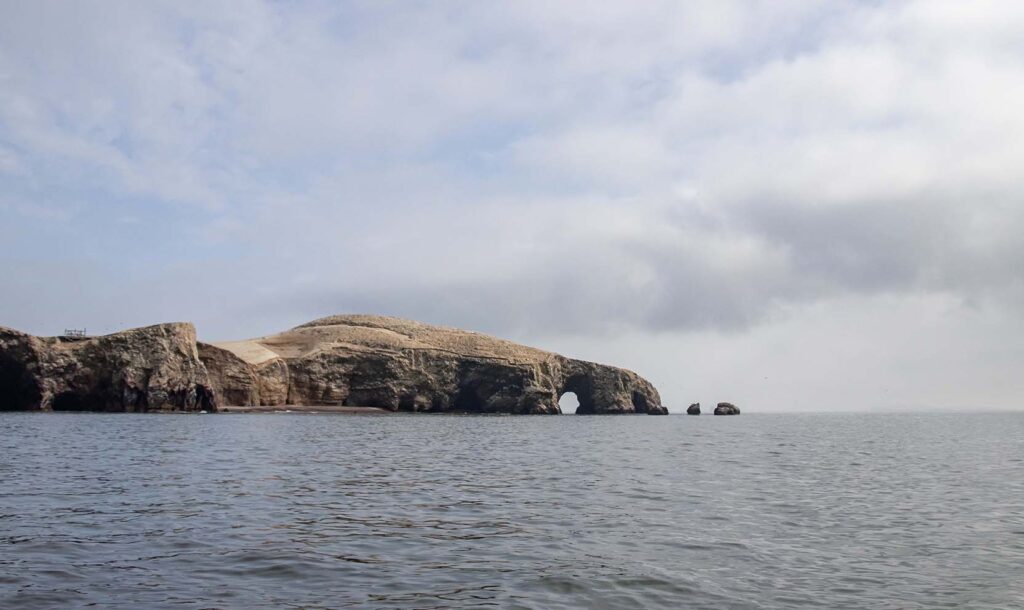
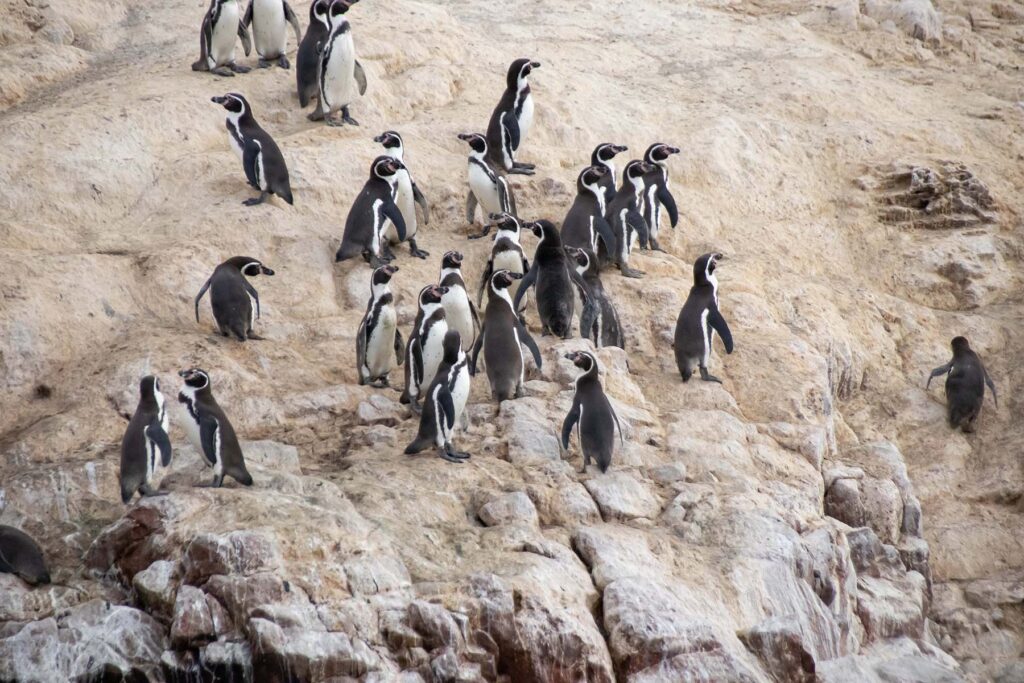
After a quick morning walk along the shore, we caught a boat to the Ballestas Islands, a national preserve and home to many species of birds, including penguins. That’s right–penguins near the equator!
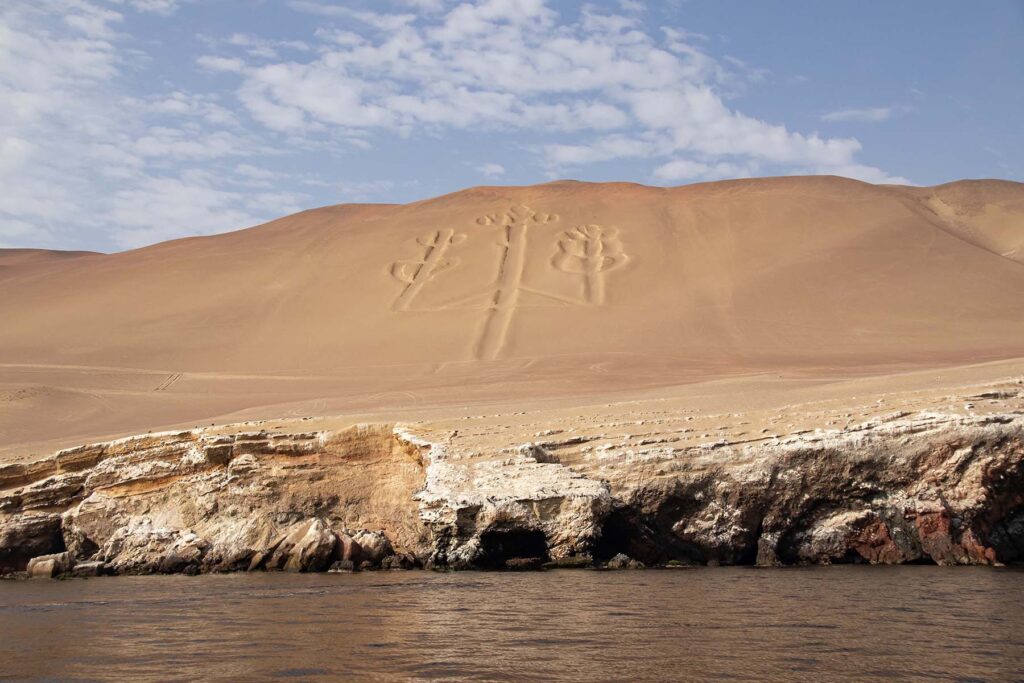
El Candelabro, a centuries-old geoglyph of unknown origin is also in the preserve.
The islands have unique arches and are covered in birds and guano, which is harvested every several years for use in fertilizer.
Here they are…the Humboldt penguins!
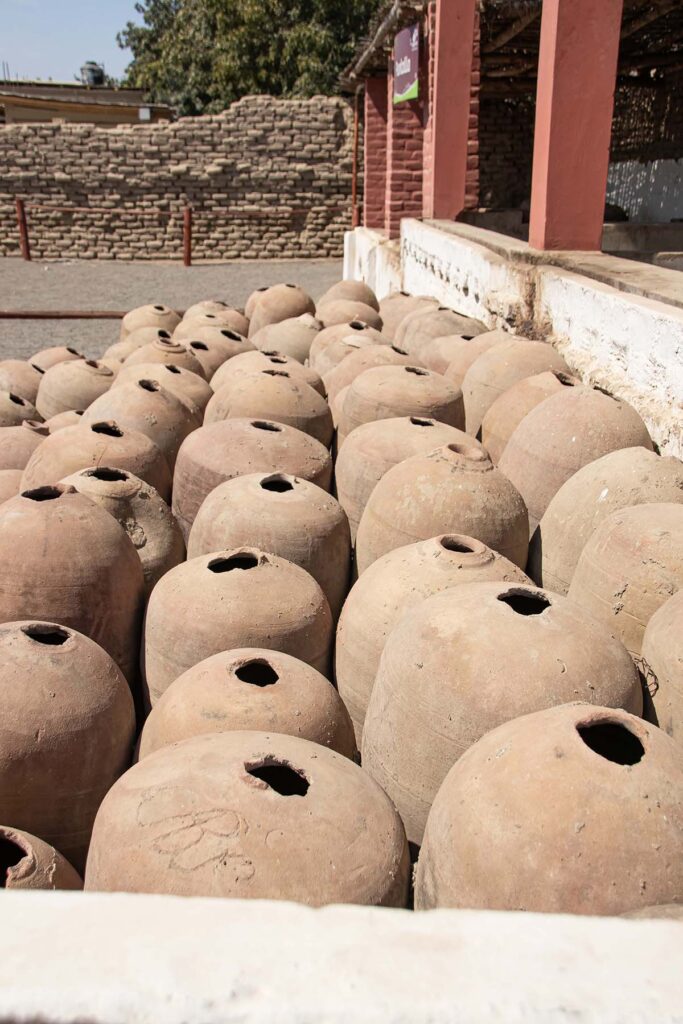
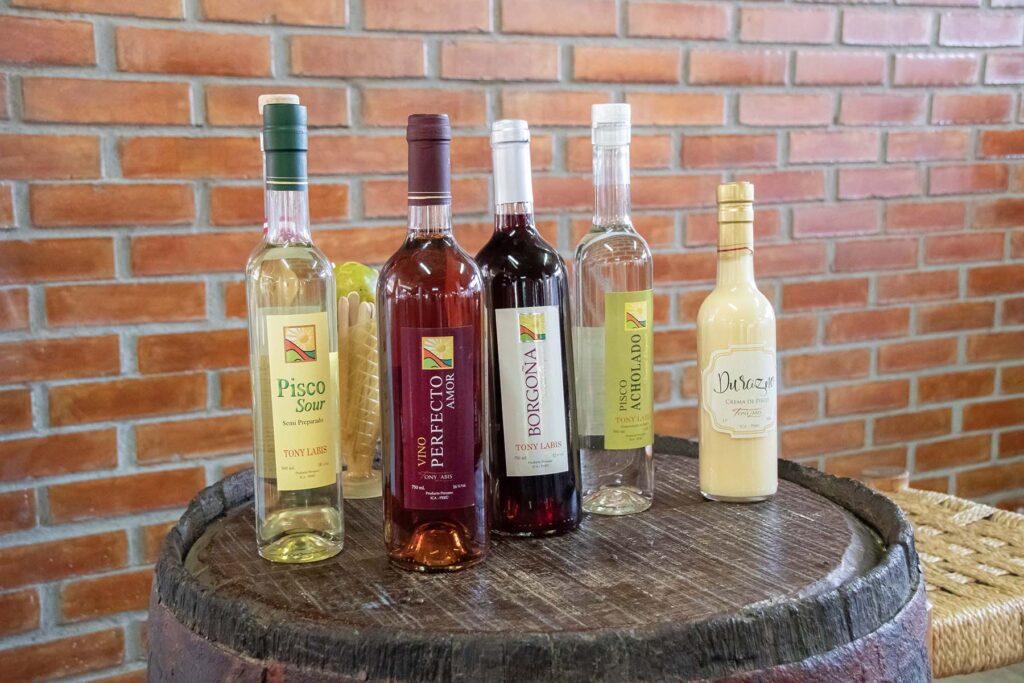
Tacama Winery produces pisco, a brandy made from fermented grapes that is the main ingredient of the Peruvian national drink, the pisco sour. We toured the pisco-making facilities and tried some of the different piscos.
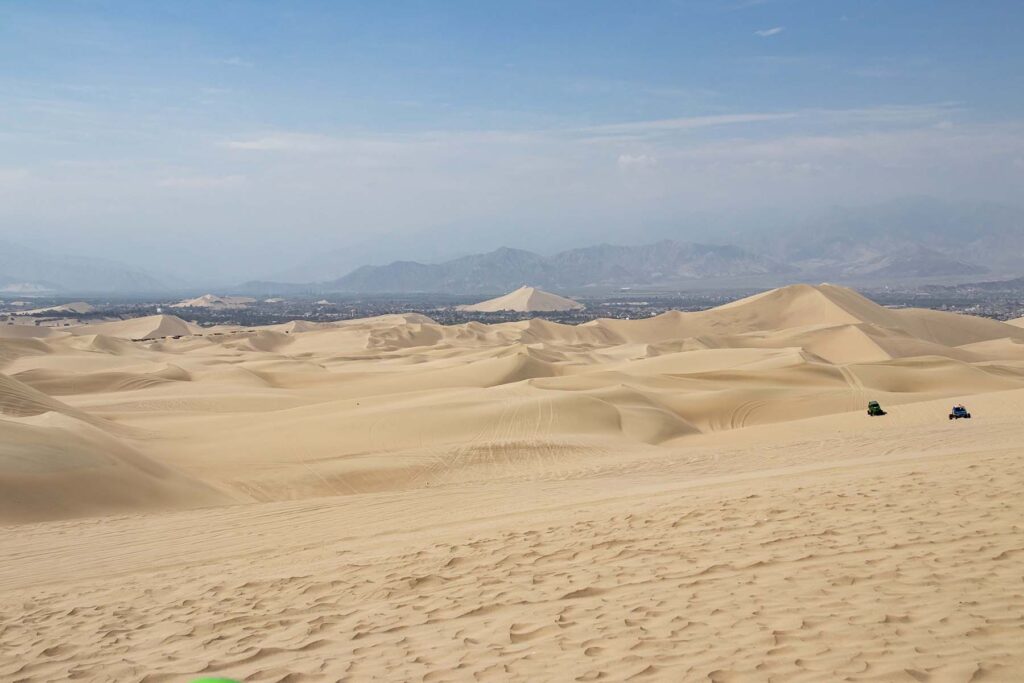
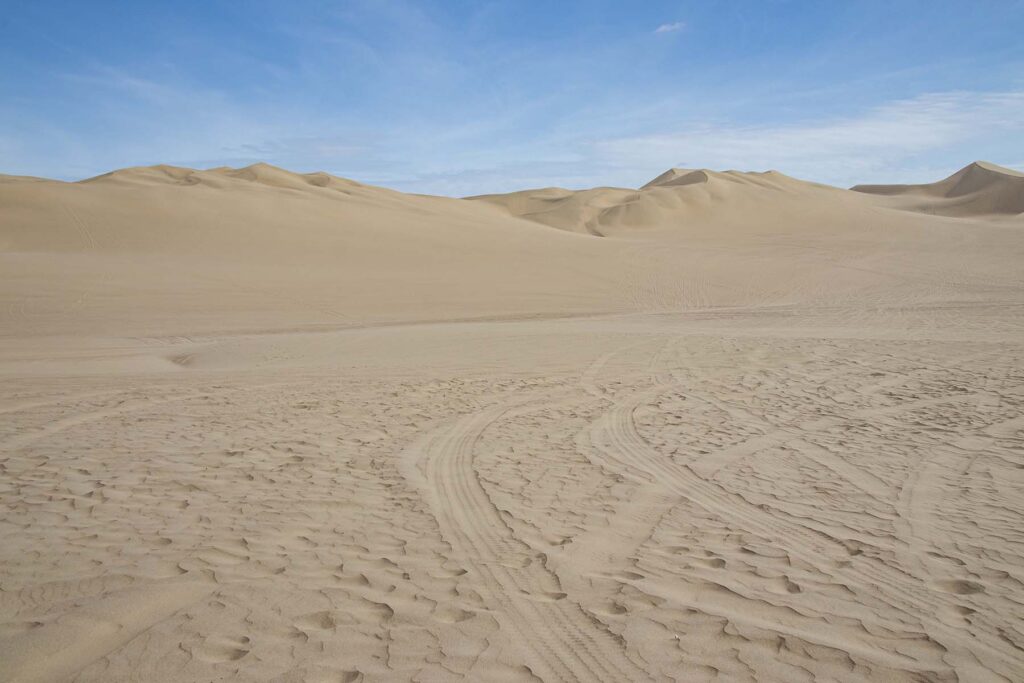
Our next stop was the oasis at the Huacachina sand dunes. The dune buggy ride to the dunes is bumpy (to say the least) but worth it for the amazing views.
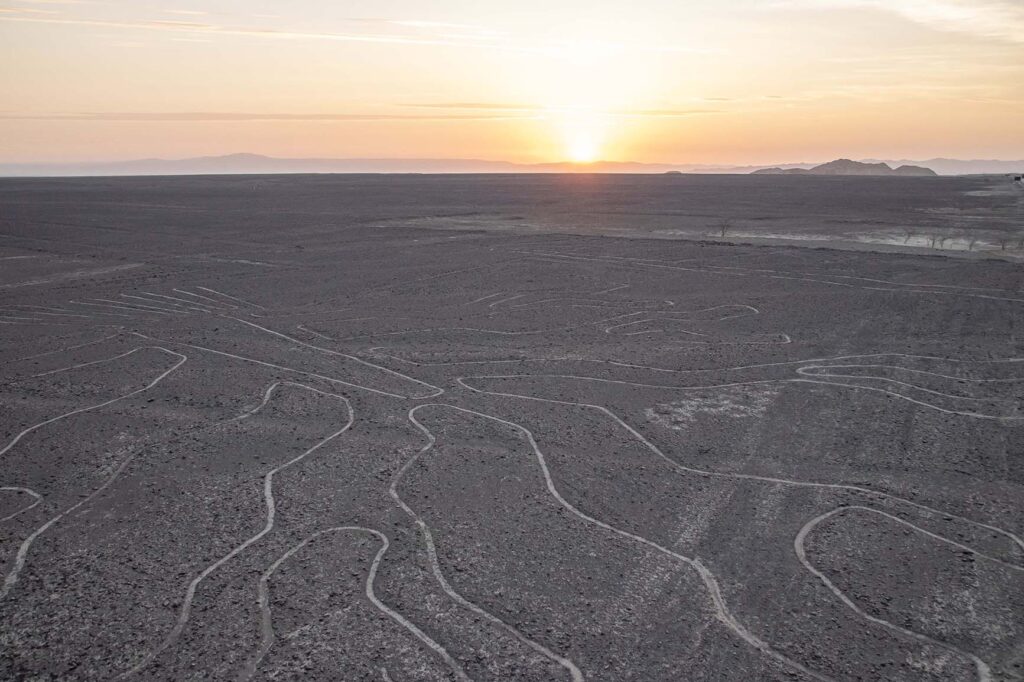
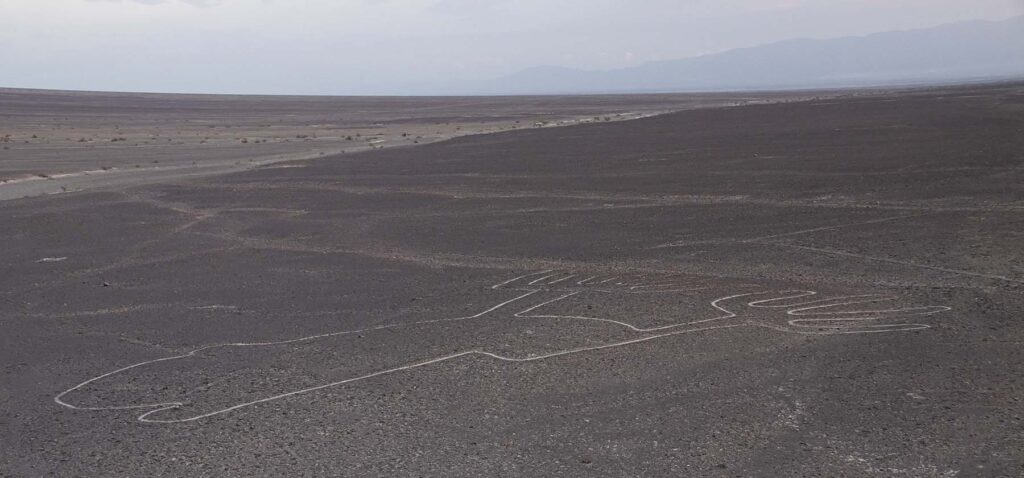
Our final stop was the observation tower at Nazca, where we watched the sunset over two of the Nazca lines.
Day 4: Nazca
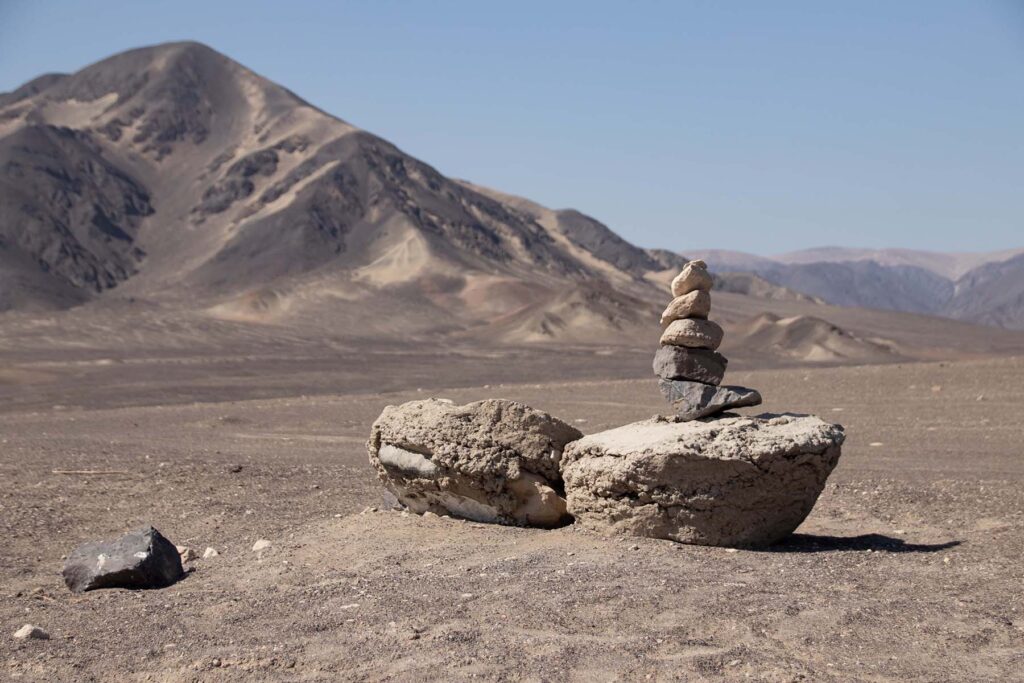
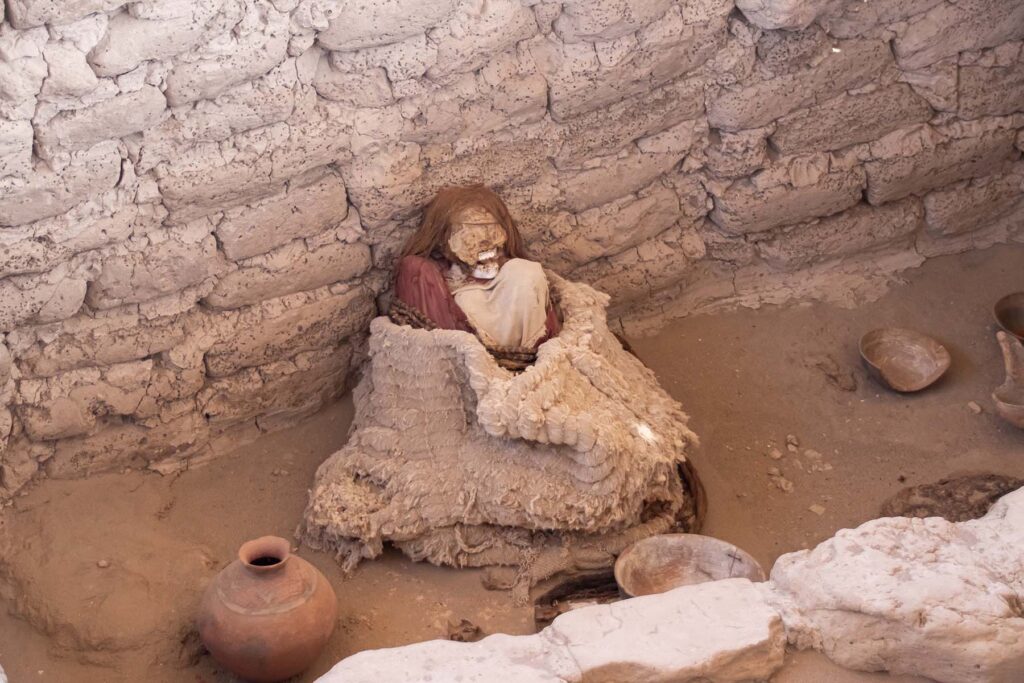
We started the day with a tour of Chauchilla, a pre-Inca cemetery that contains the mummified remains of dozens of Nazca people dating back to around 200 AD.
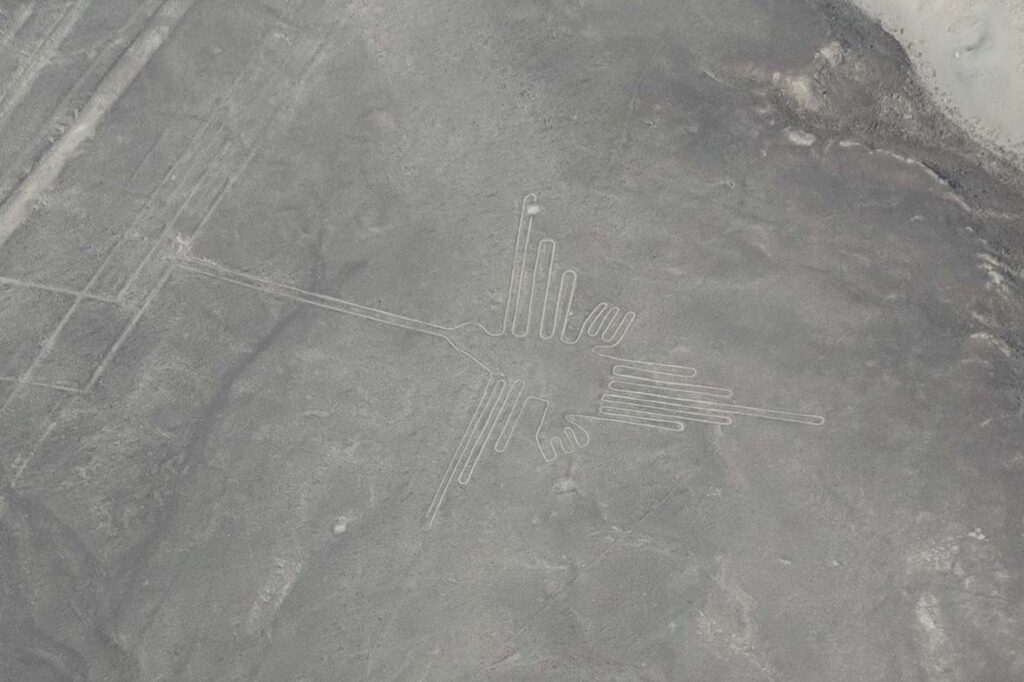
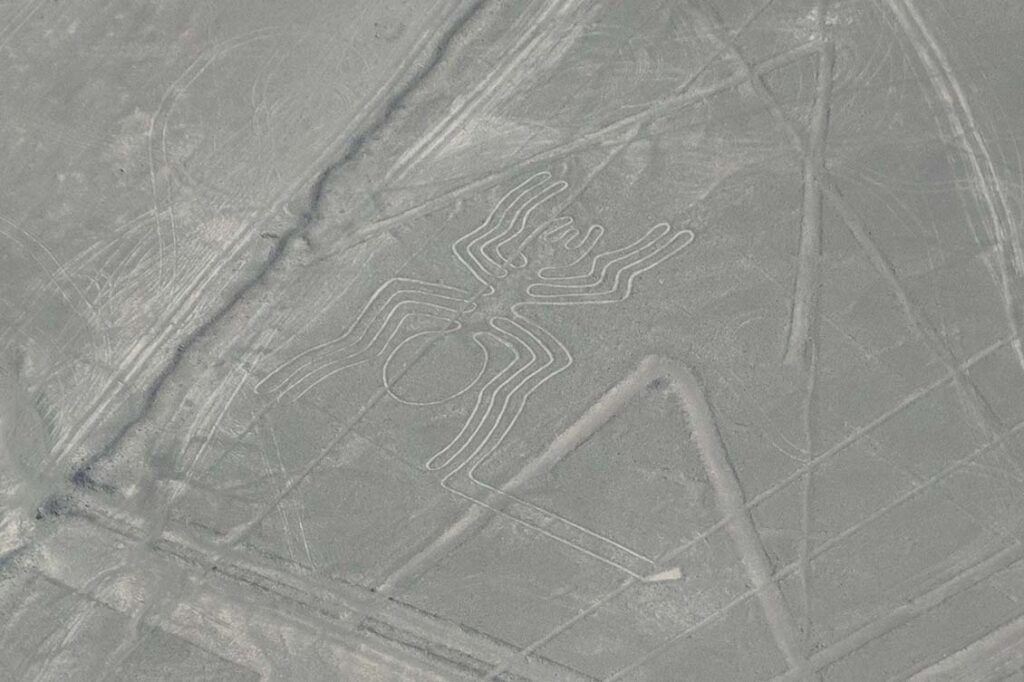
We then went to the Nazca airport for our flight over the Nazca lines. The best, and possibly only, way to see the lines is by plane. Below are the hummingbird and the spider.
Day 5: Nazca to Arequipa
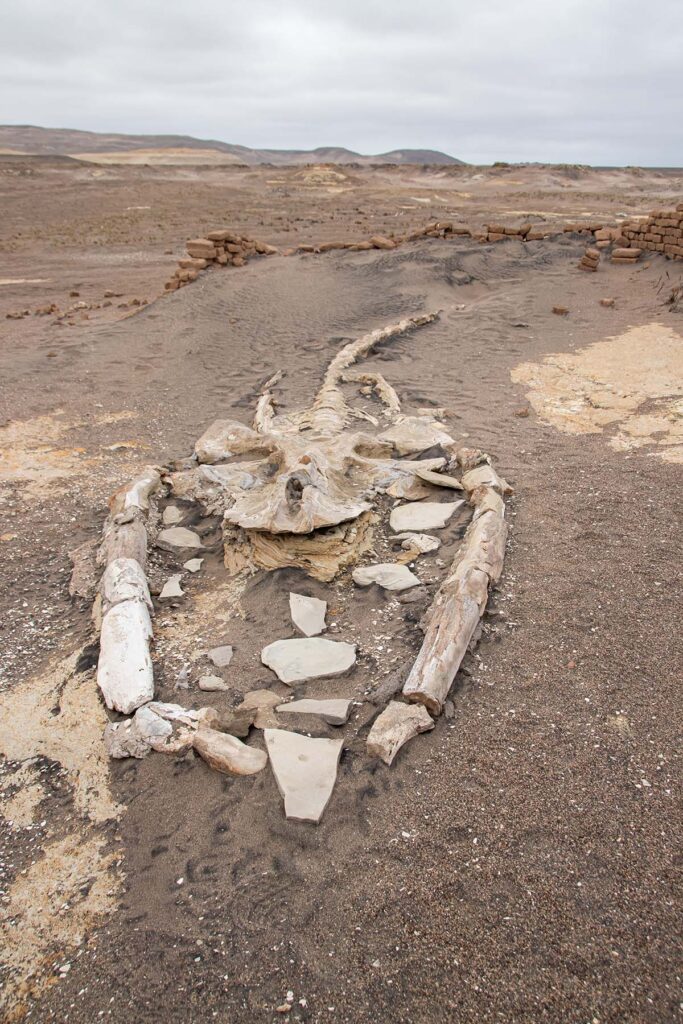
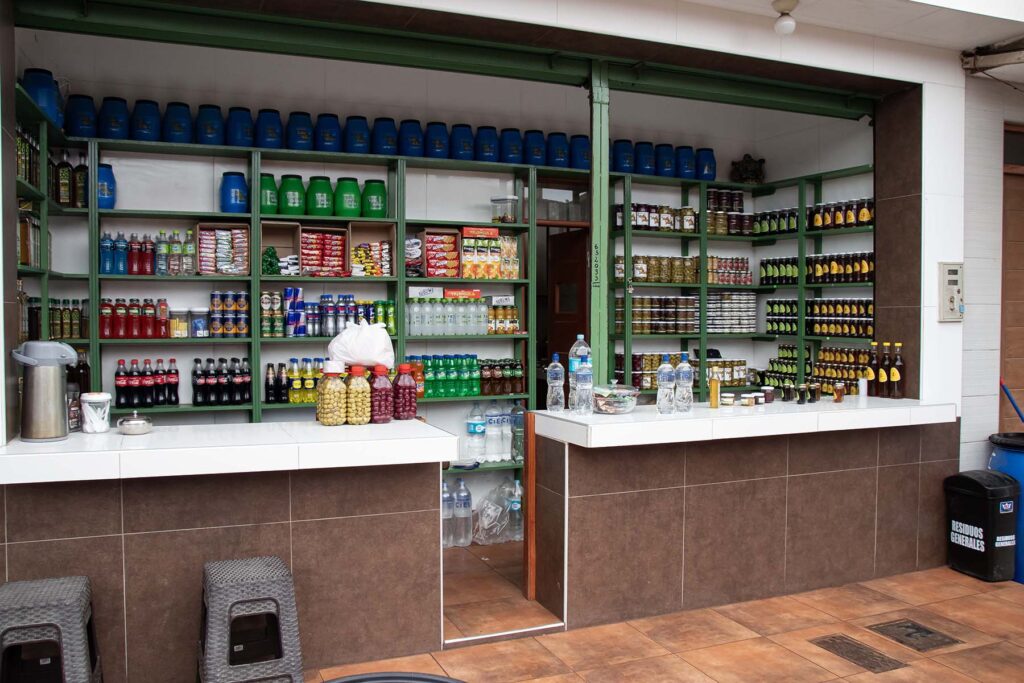
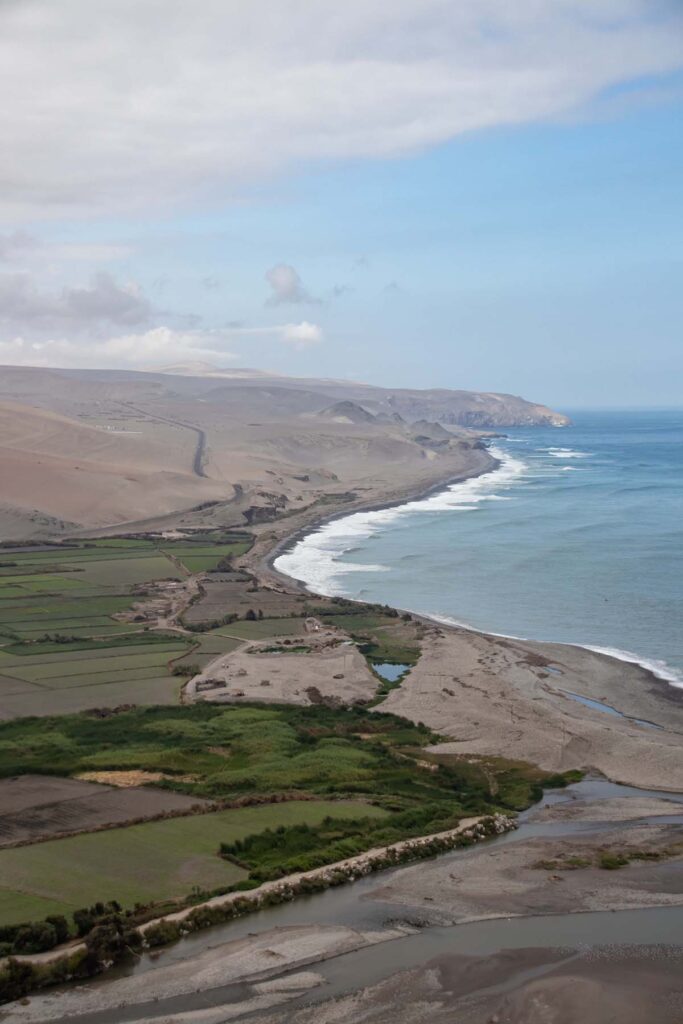
Day 5 was a 13-hour drive along the coast and into the Andes. We stopped at Sacaco, a museum and archaeological site that had once been an ocean floor; an olive market; and an overlook along the Pacific coast.
Day 6: Arequipa
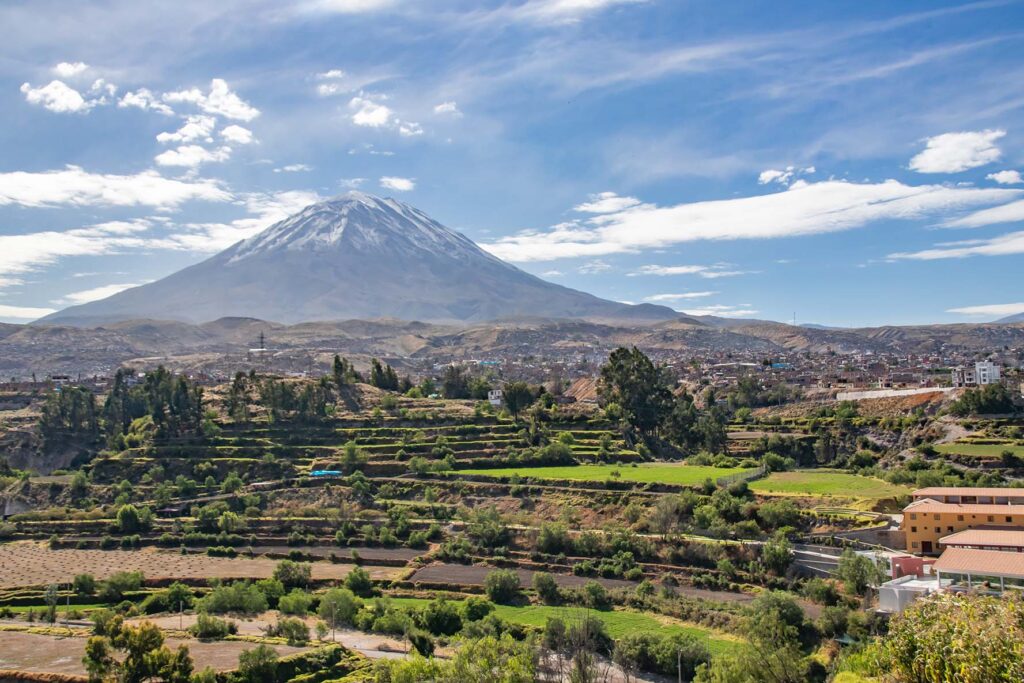
Arequipa is a Spanish colonial city at the base of several volcanoes, including El Misti.
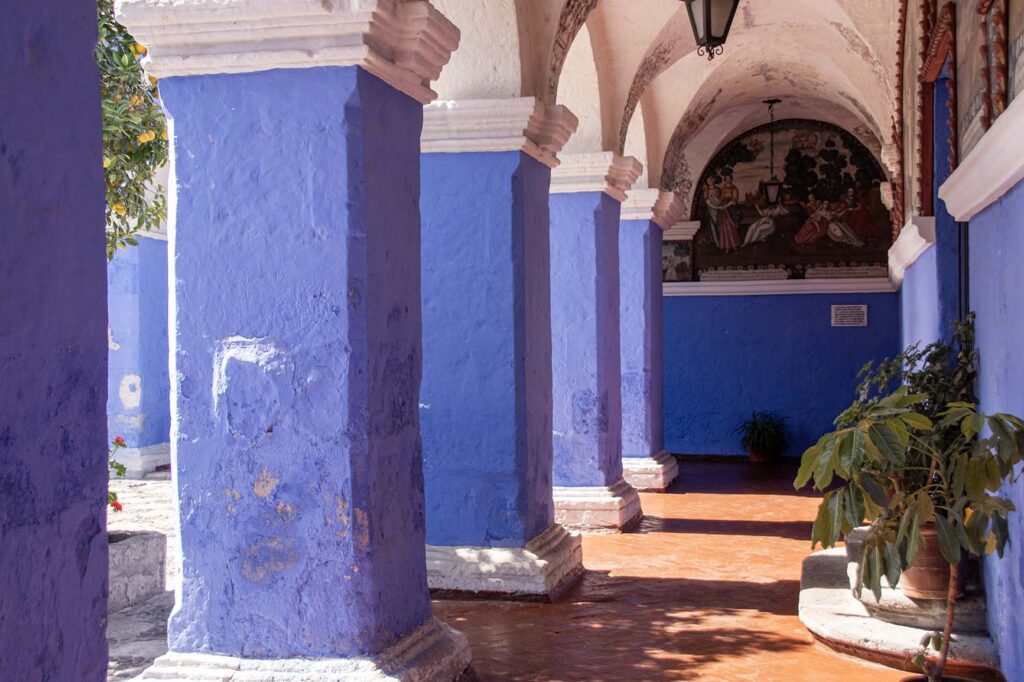
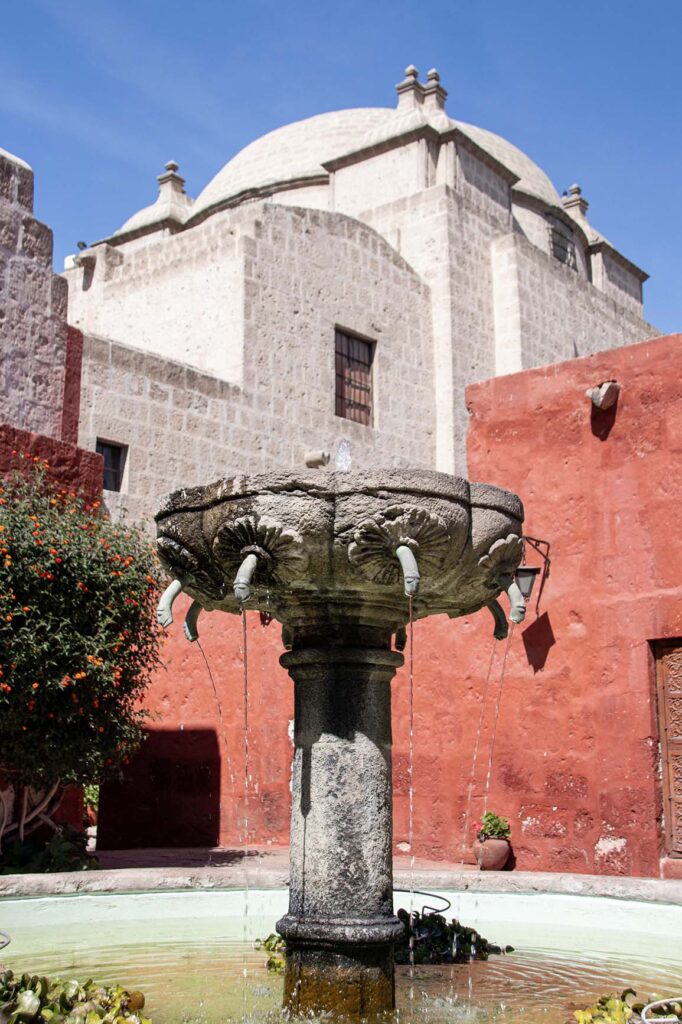
We toured the Santa Catalina Monastery, a convent founded by the Spanish in 1579.
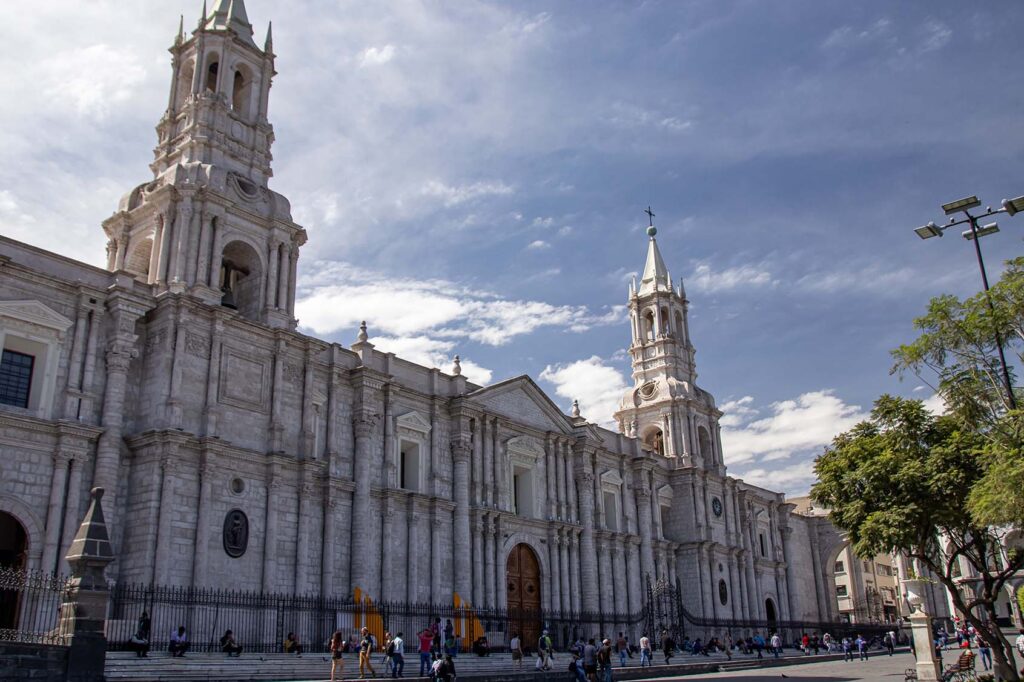
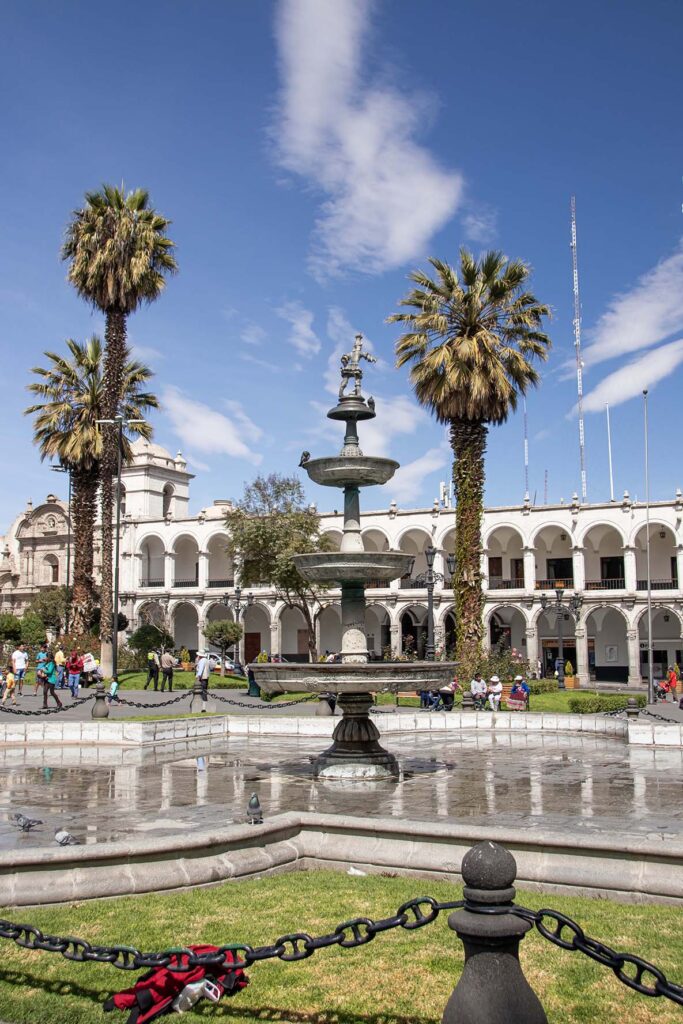
Then, we walked to the town center, which is a UNESCO world heritage site.
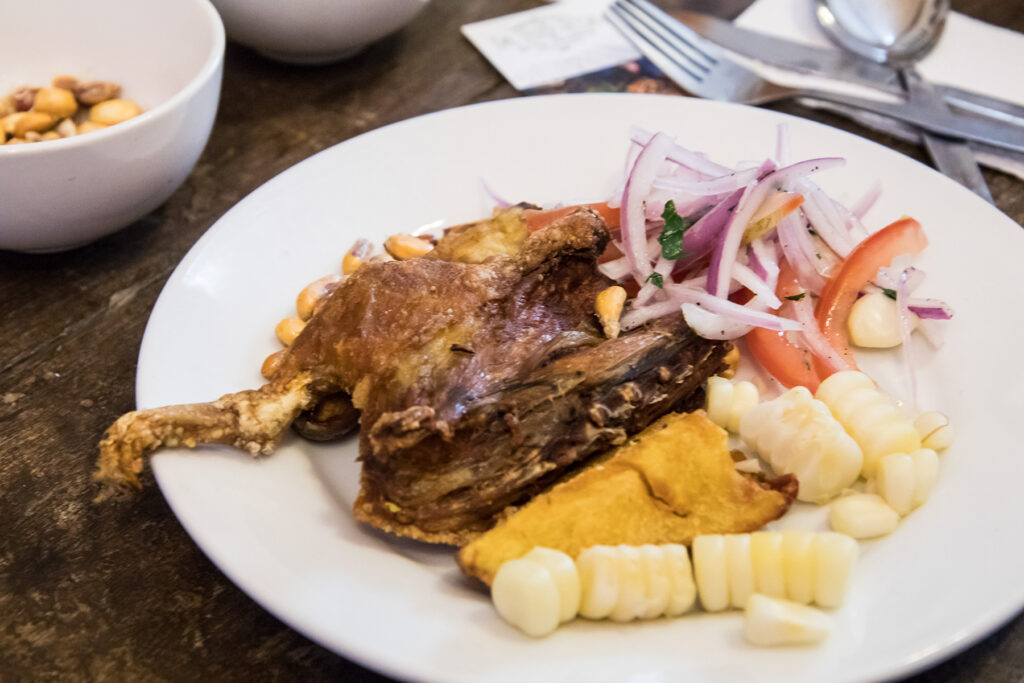
And for lunch, we enjoyed a Peruvian delicacy…cuy, or guinea pig. (It tastes a bit like chicken, and there’s not much meat on the rodents, though some of them are raised to be quite large.)
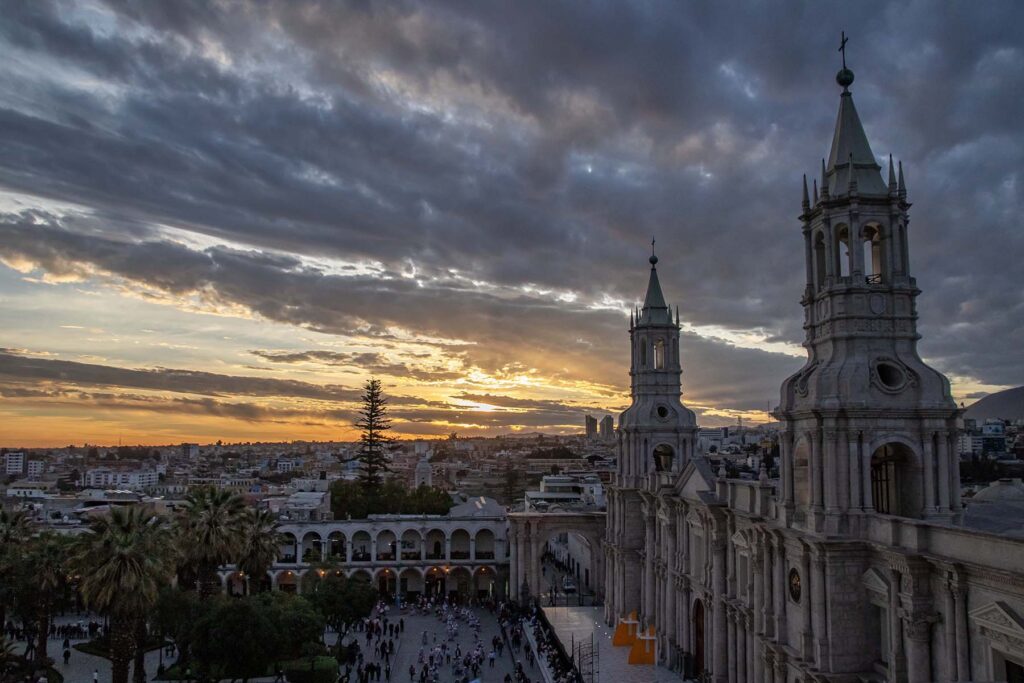
We ended the day watching the sunset from a balcony by the Arequipa cathedral.
Day 7: Cusco
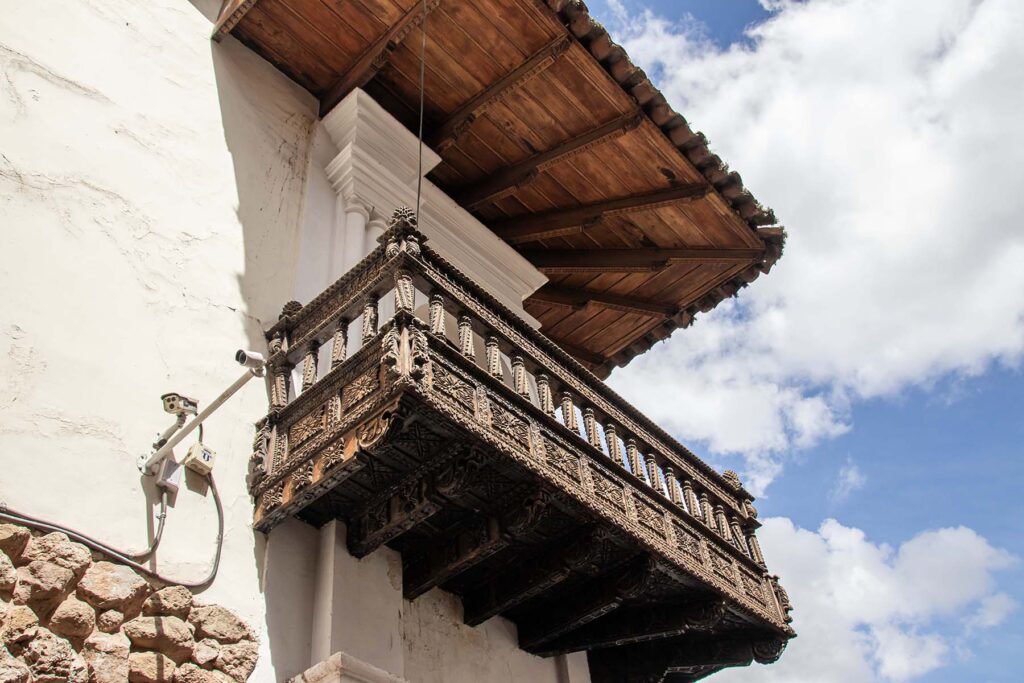
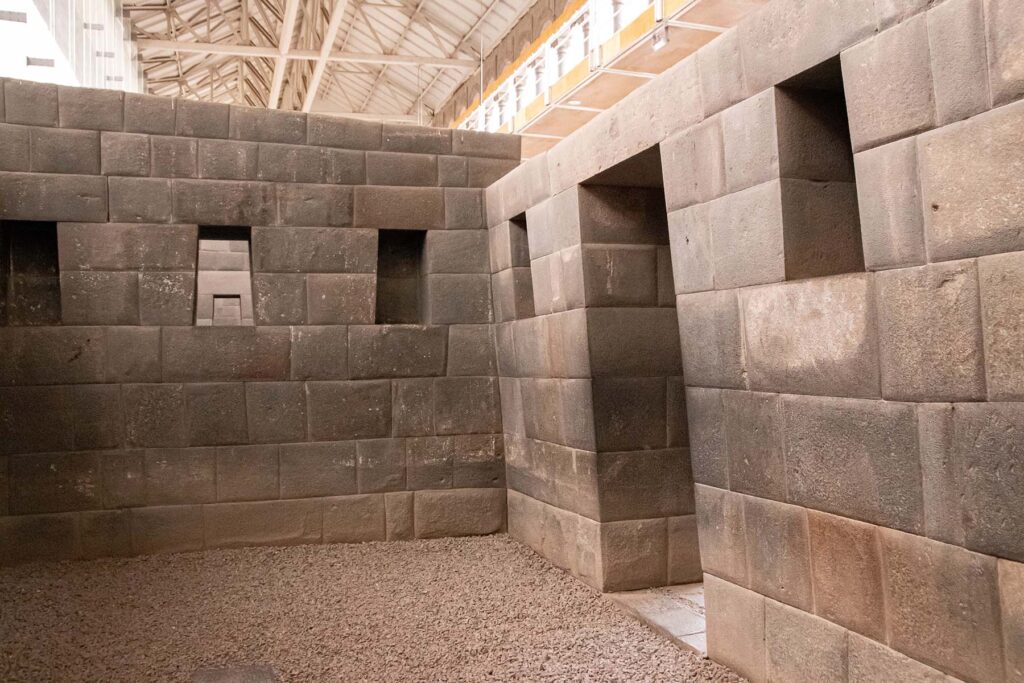
Cusco was the capital city of the Inca Empire. When the Spanish conquered the Inca, they built their city literally atop the ruins of the Inca capital. The result is a city filled with Spanish-style buildings on Inca foundations.
The two photos below show the town square of Cusco.
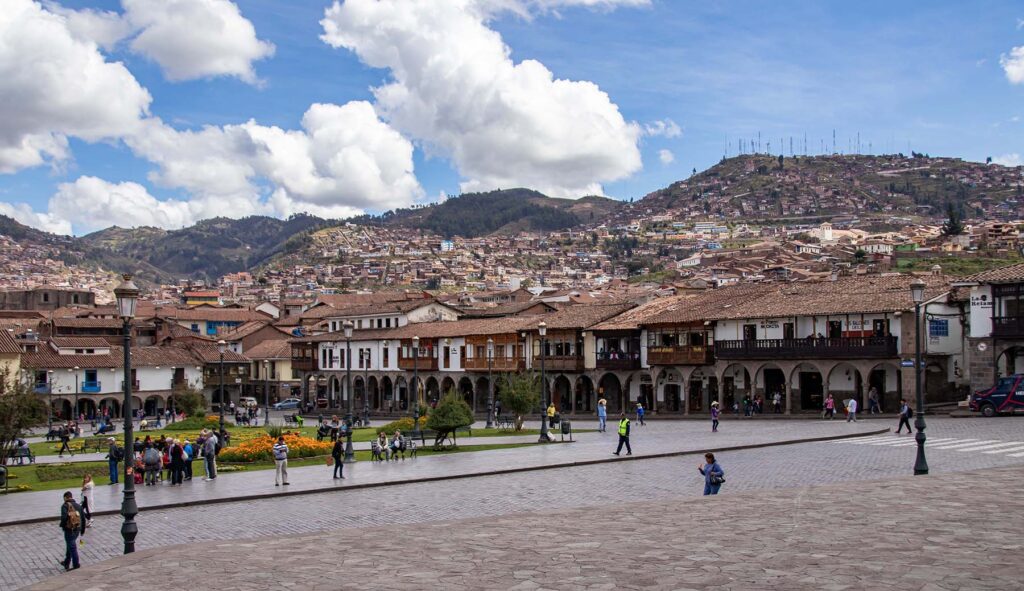
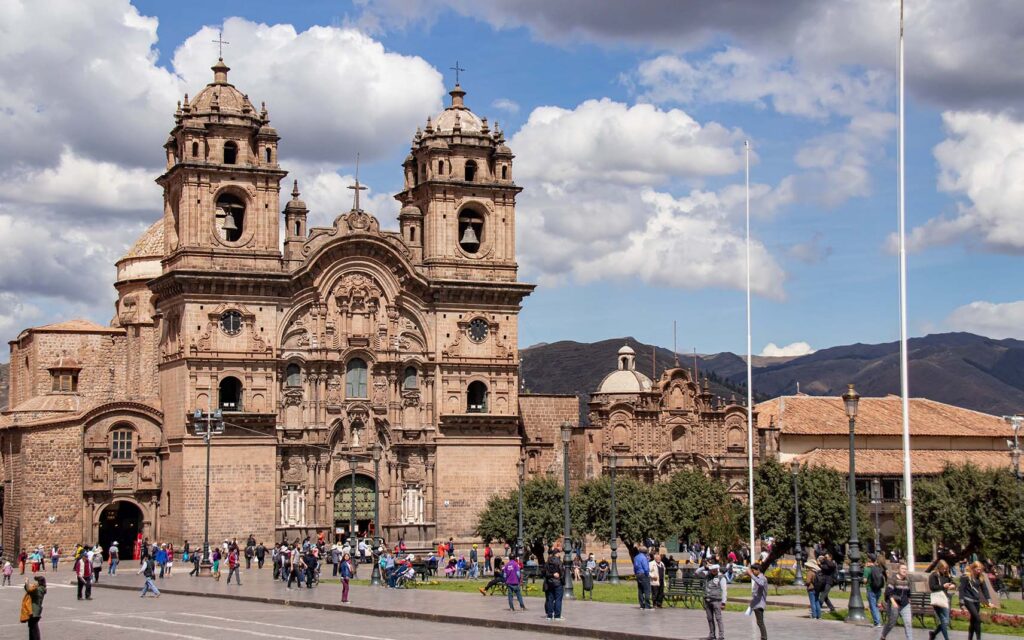
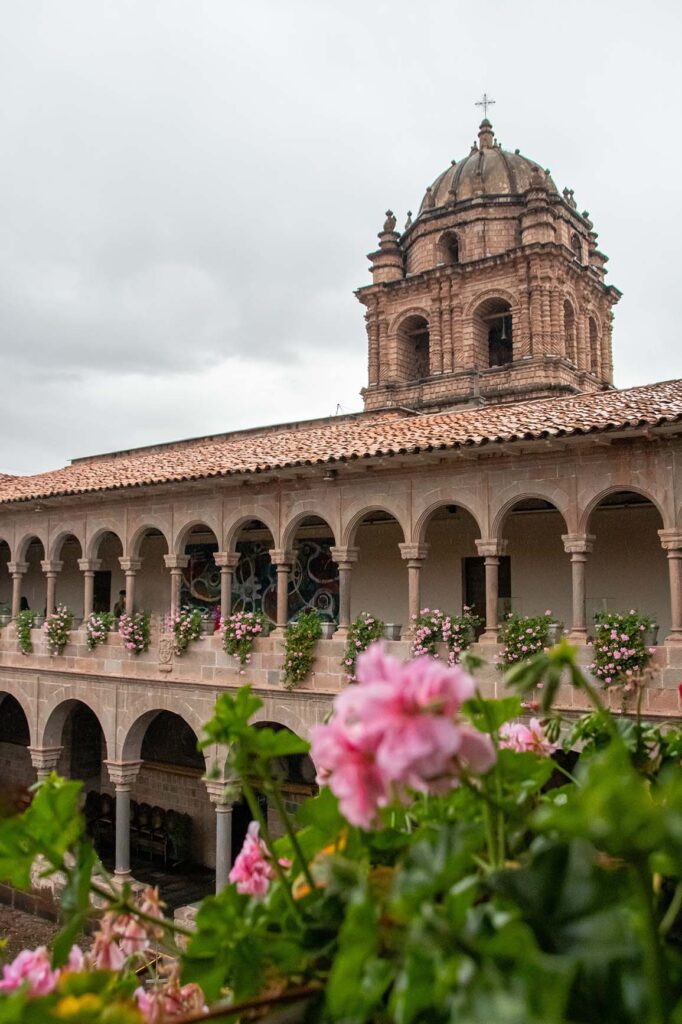
The Spanish built a church on top of the Sun Temple, the foundations of which have been restored to a museum.
Day 8: Sacred Valley of the Inca
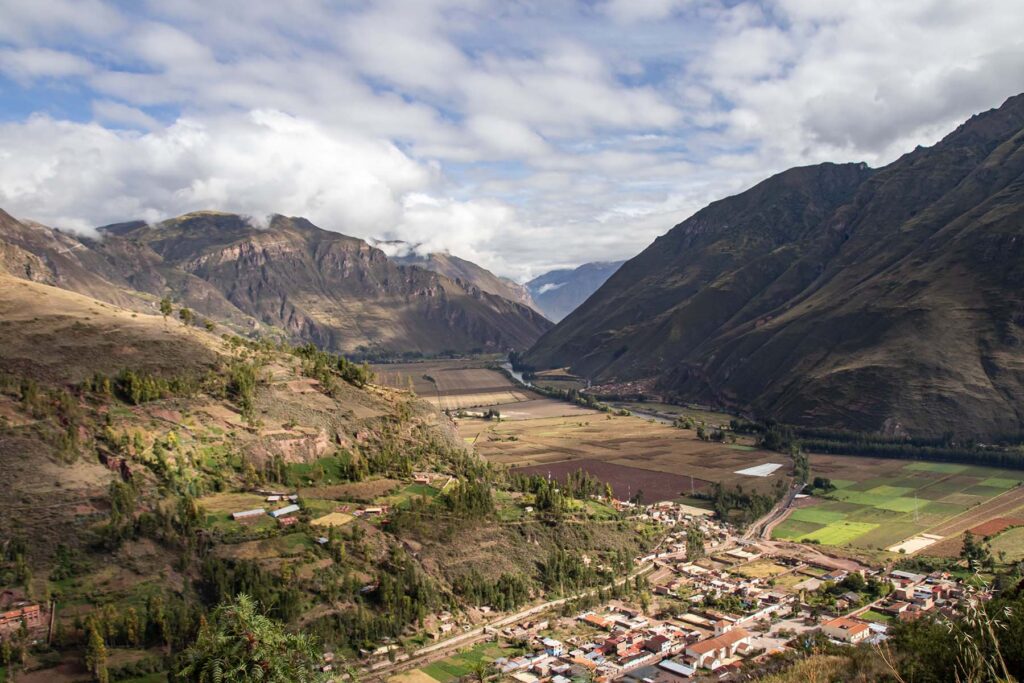
Our first view of the Sacred Valley was nothing less than spectacular!
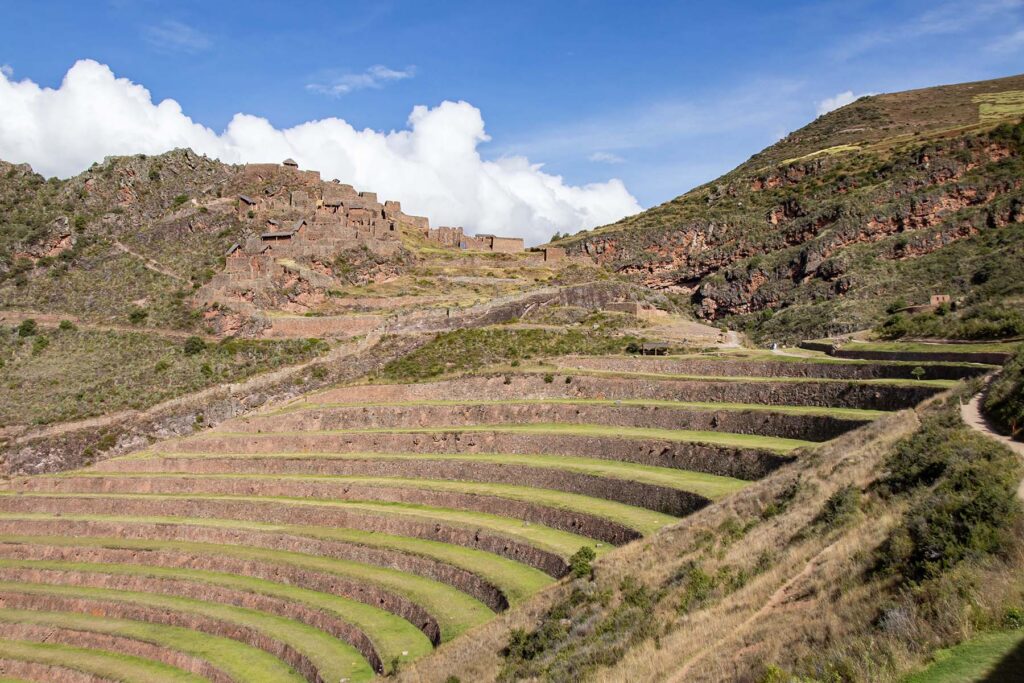
We soon arrived at Pisaq, the first of many Inca villages we would visit during our three days in the Sacred Valley. The Inca terraced the Andean terrain for agricultural purposes as well as to prevent erosion.
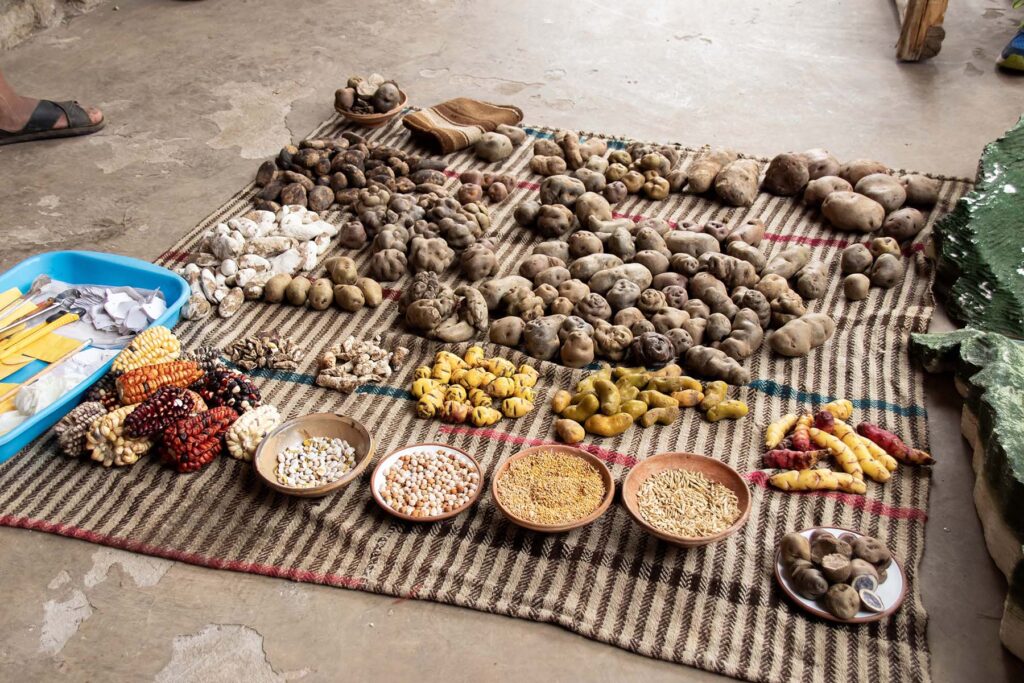
We toured a potato seed bank and weaving co-op in the Sacred Valley. Over 3,800 varieties of potato are native to Peru, and the mission of the seed bank is to preserve those potato varieties for future generations.
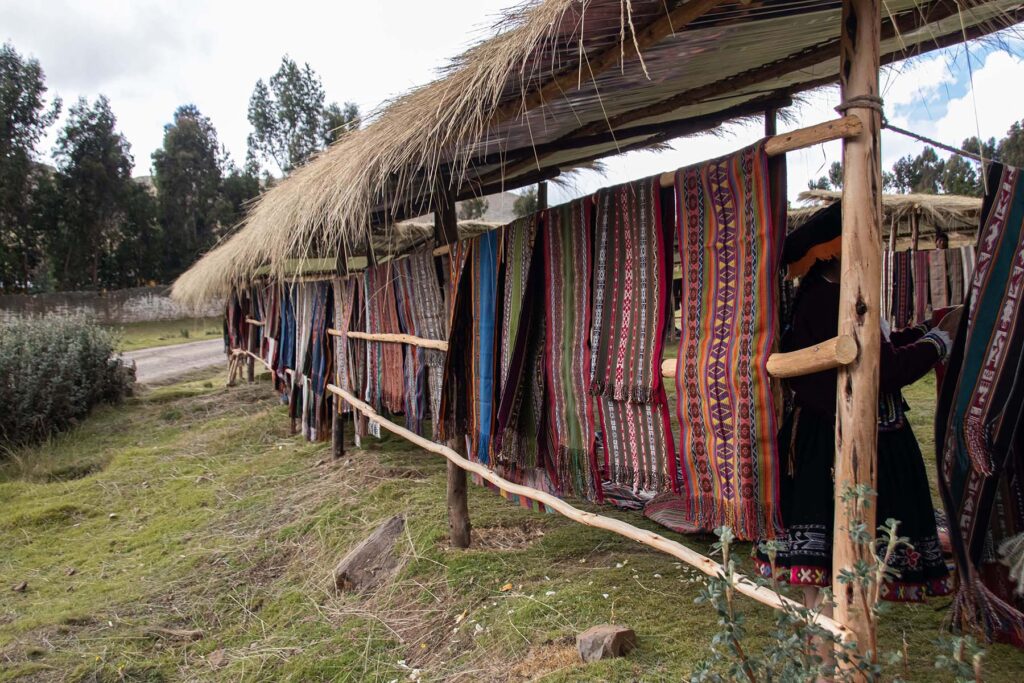
The weaving co-op uses traditional Inca methods to clean alpaca wool, dye it, and weave it into intricate patterns and designs.
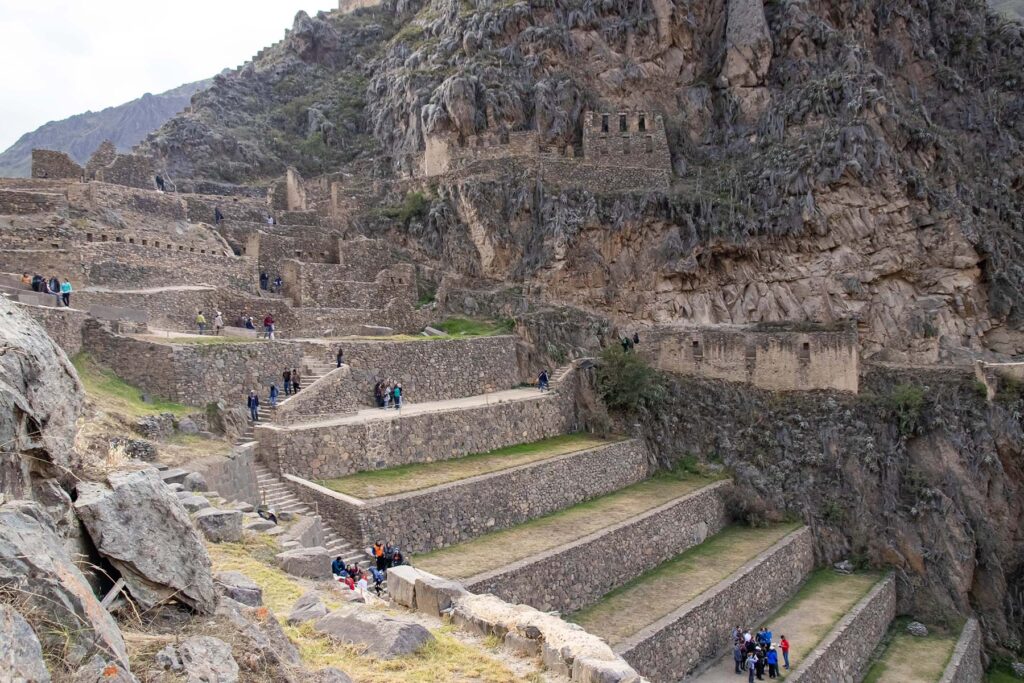
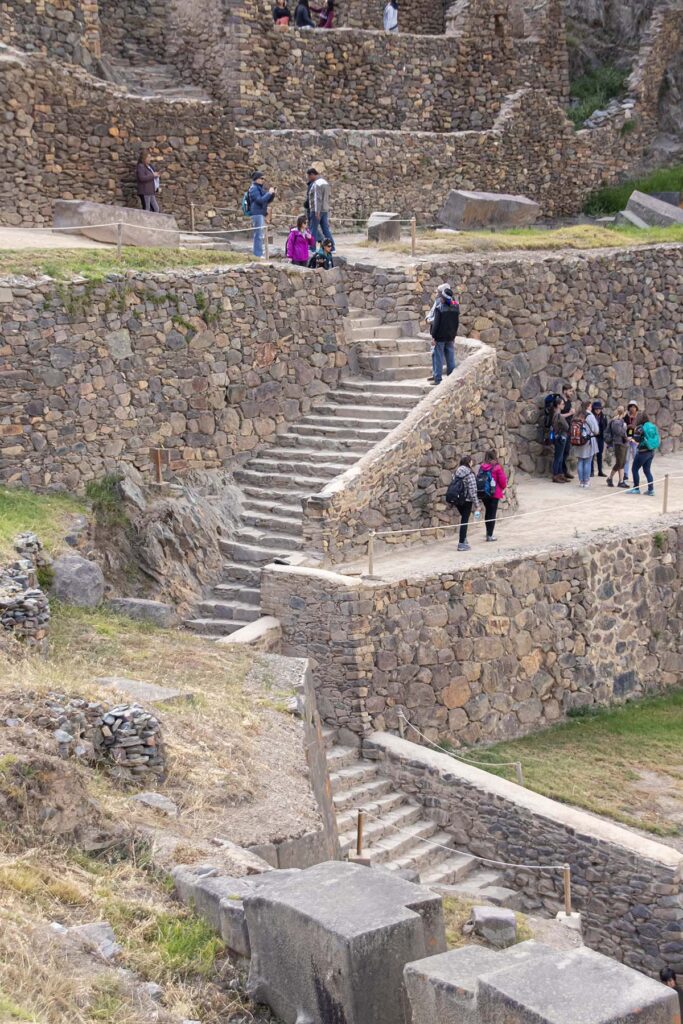
Further into the Sacred Valley is Ollantaytambo, another Inca village that also features agricultural terraces and stone staircases.
Day 9: The Inca Trail
We chose to do the one-day Inca Trail. The “Inca Trail” is actually one of many Inca trails, this particular one leading from Cusco to Machu Picchu. The traditional “Inca Trail” is a four-day hike that starts close to Ollantaytambo. Due to its popularity and the limited number of tickets available, the Peruvian government opened up a “one-day Inca Trail” that consists of a spur trail up to the Inca Trail at Winay Wayna that then proceeds to the Sun Gate (Inti Punku) at Machu Picchu.
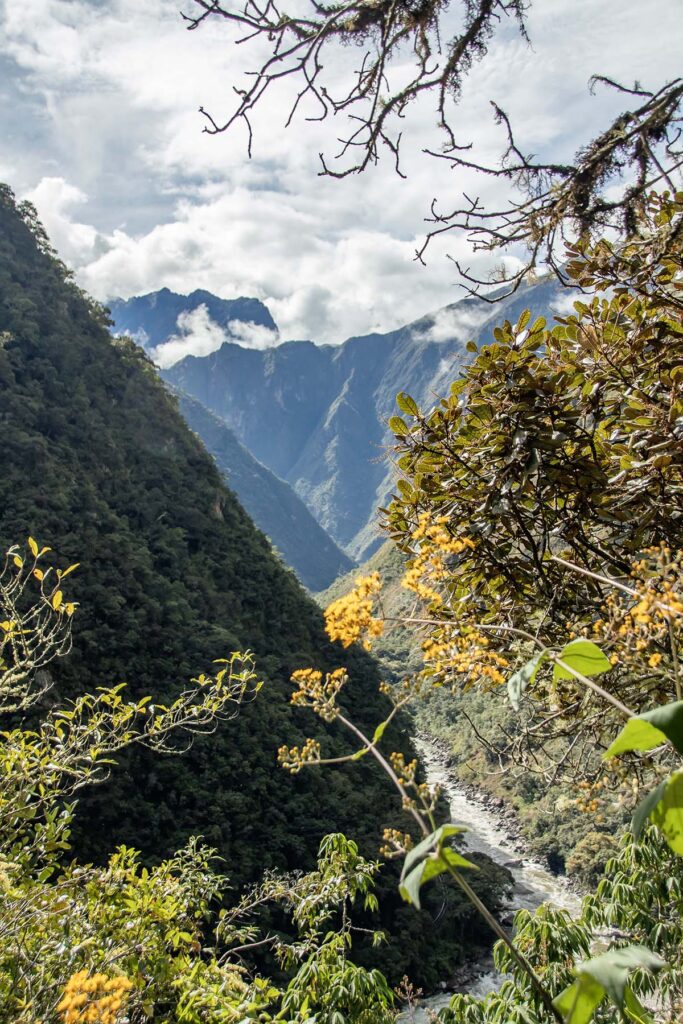
The spur trail is somewhat steep and, due to the subtropical humidity, a challenging climb. But, like many challenging climbs, the views are worth it.
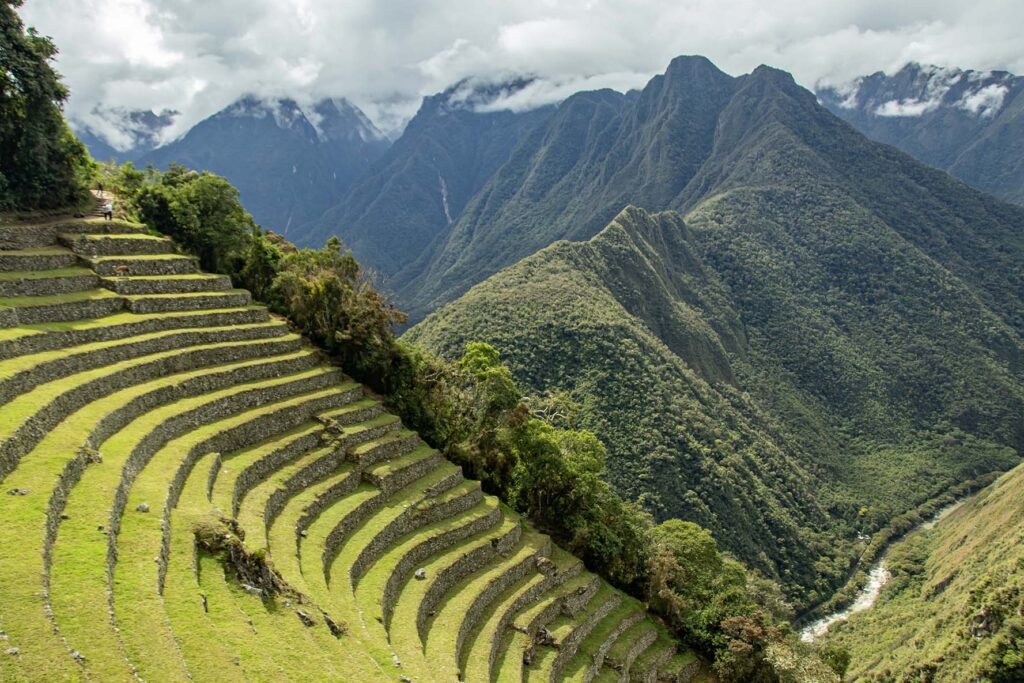
Winay Wayna, another Inca village with terraced landscaping and rock staircases, is amazing. That alone was worth the hike (and the price–it’s not cheap). It looks very similar to Machu Picchu, except that it is not crawling with tourists.
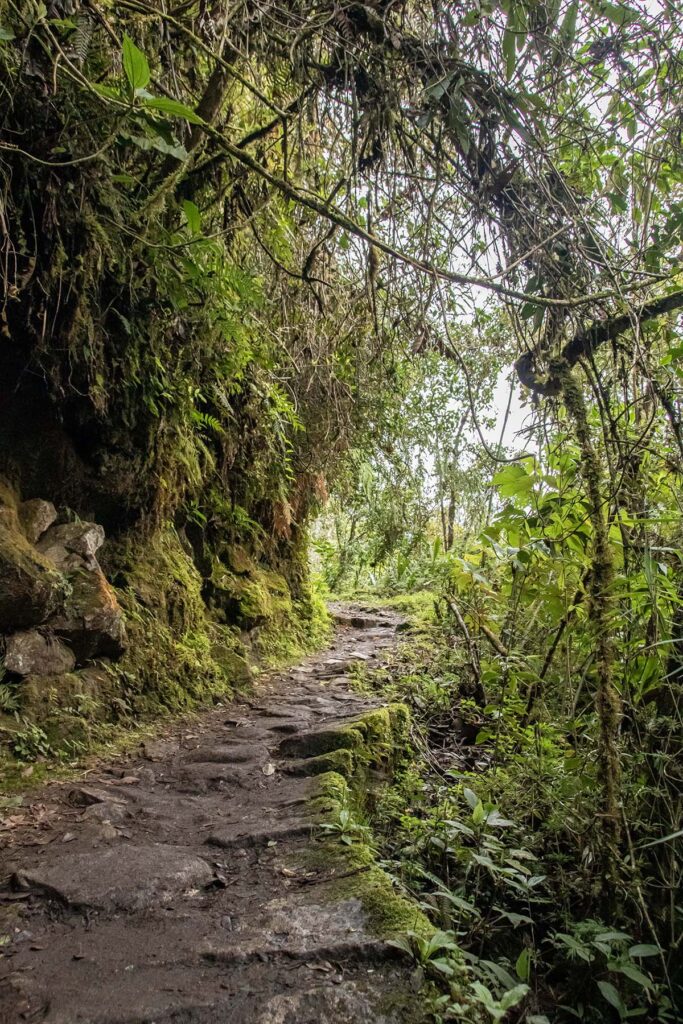
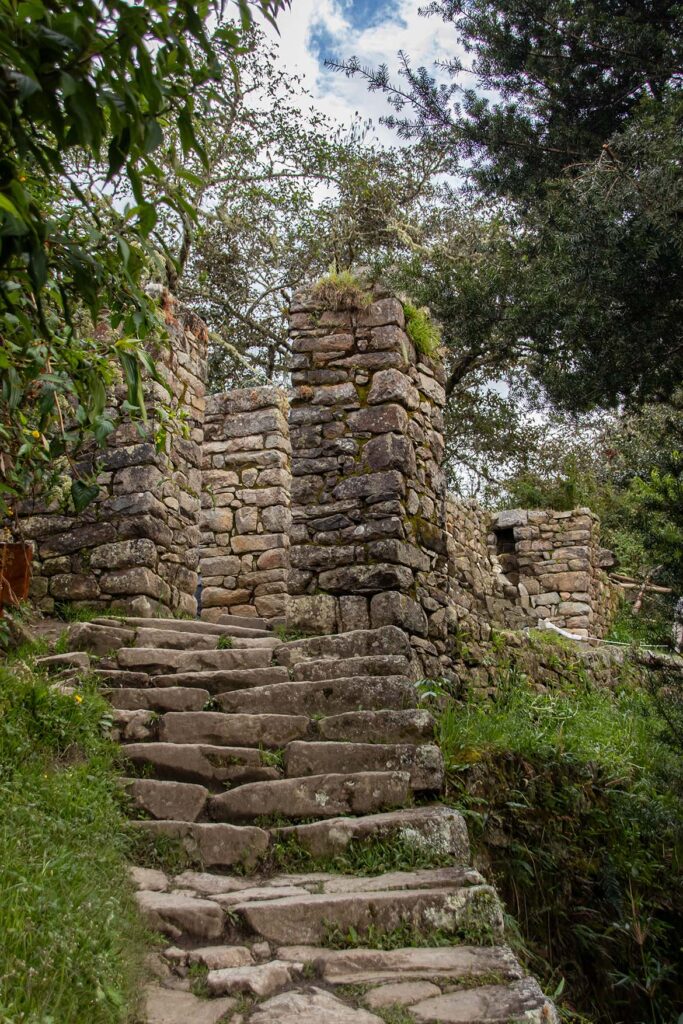
The Inca Trail from Winay Wayna is the original trail built by the Inca.
It ends at Inti Punku (the Sun Gate)…
…which provided our first view of Machu PIcchu.
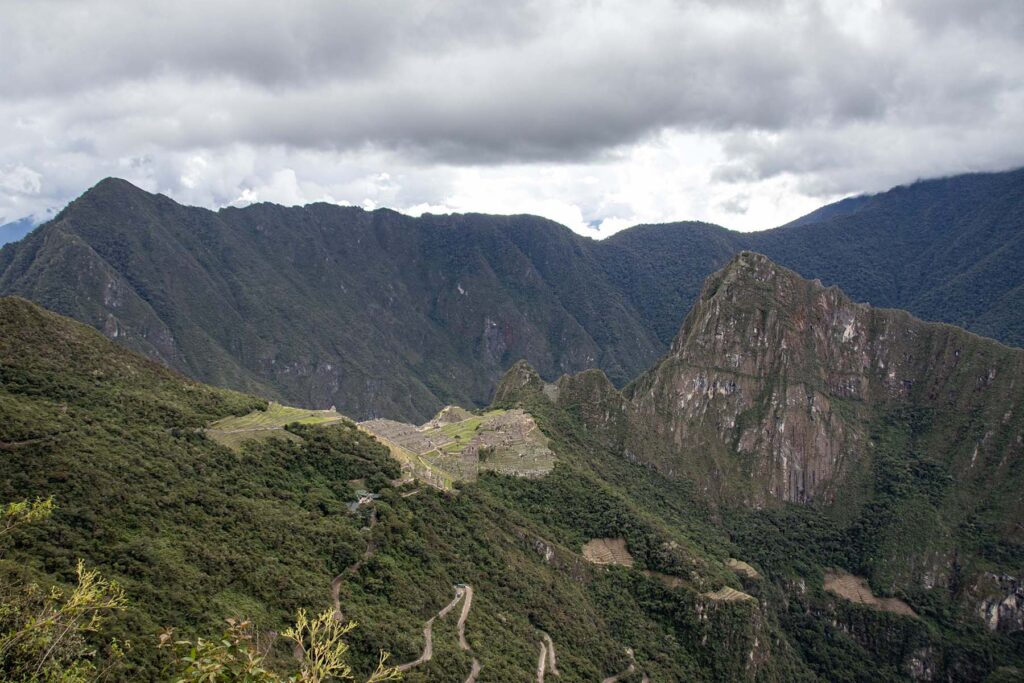
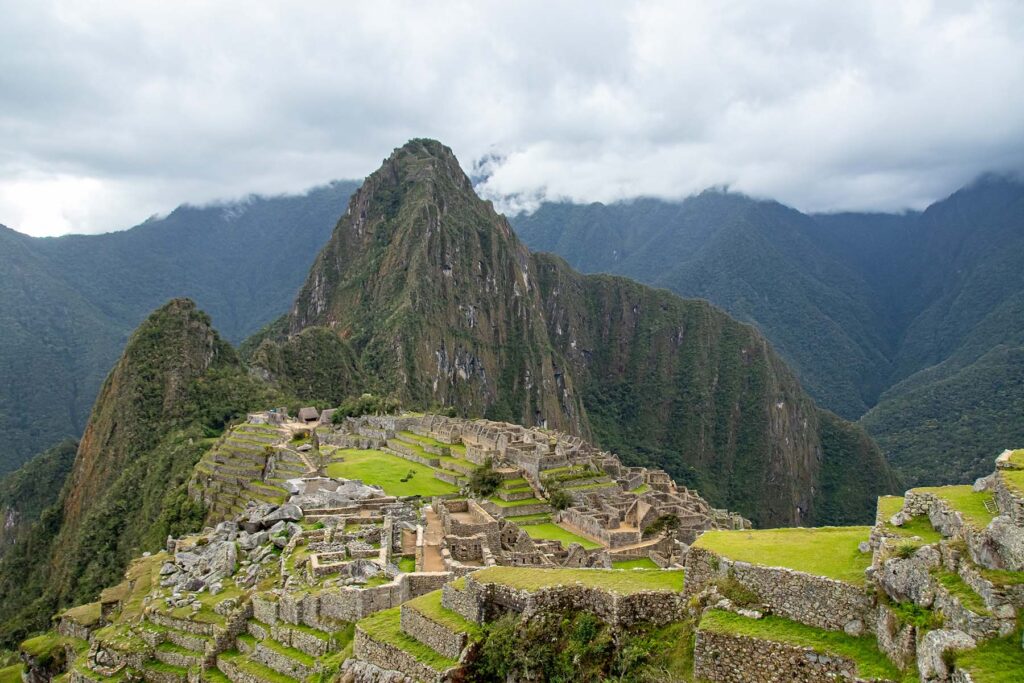
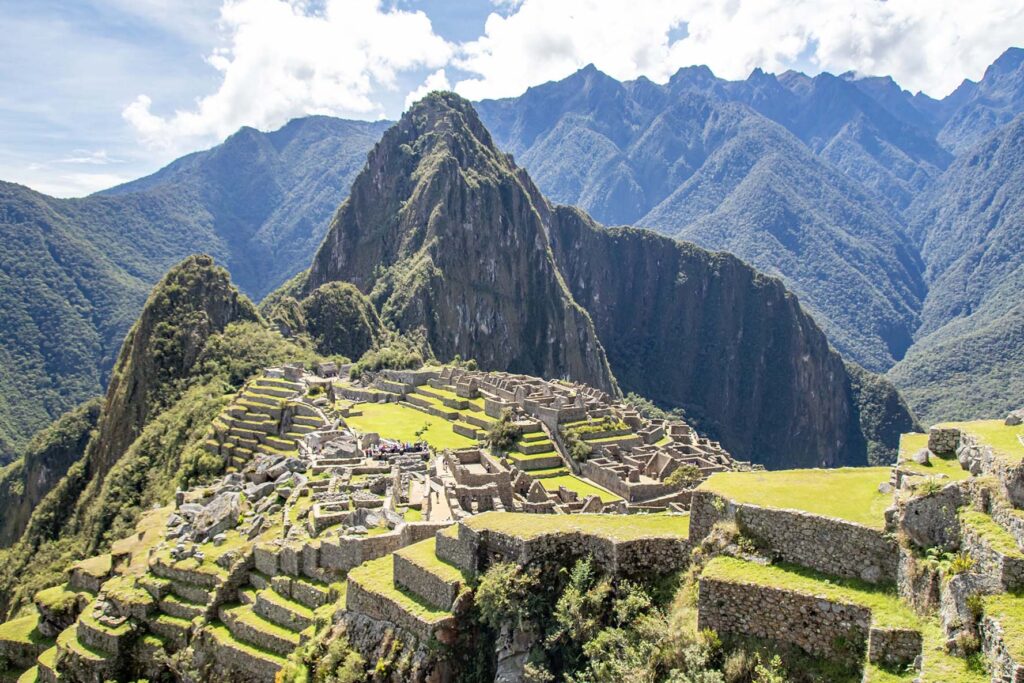
Machu Picchu is one of those place that is just as amazing in the clouds as it is on a sunny day. The clouds add to the mysterious and surreal atmosphere that is present at this enigmatic site.
Day 10: Machu Picchu
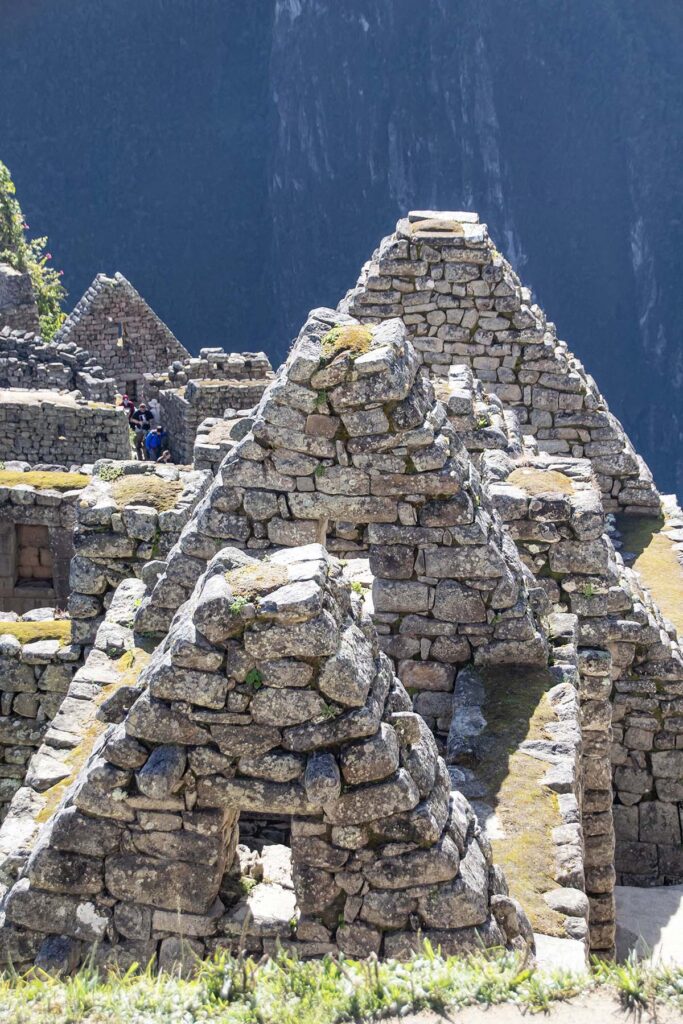
Day 10 was our official tour of Machu Picchu. The weather was perfect! We caught the morning light and enjoyed a clear, sunny day. Our timing was great, and not just in terms of weather. The Peruvian government has imposed new restrictions on visitors, which will limit the amount of time they can spend at the site and require that they be accompanied by a tour guide. We were fortunate to have free time to wander throughout the site before and after our guided tour.
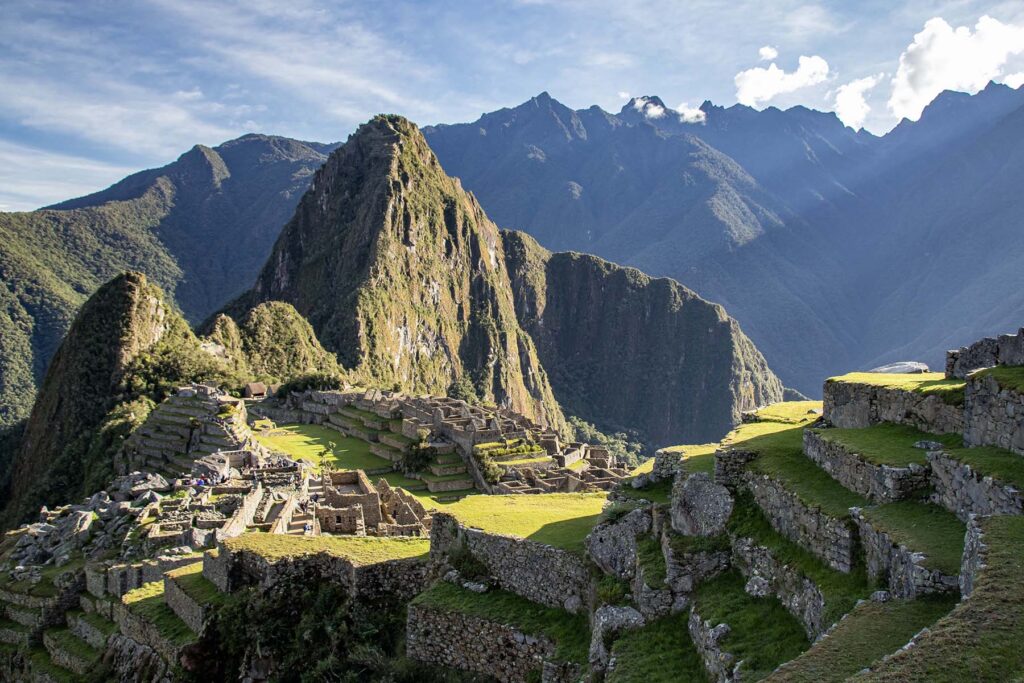
Machu Picchu was home to middle class Inca families.
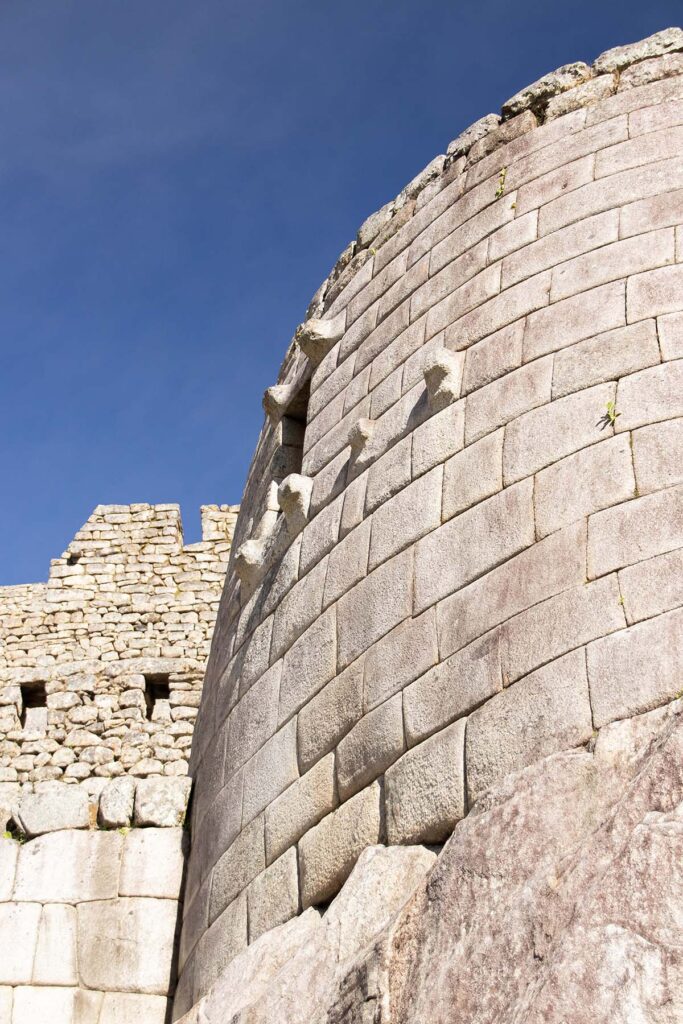
Like all Inca settlements, Machu Picchu has a Sun Temple. The sun rises over the Sun Gate and enters one window of the temple on the winter (June) solstice.
The town is larger than I expected, filled with houses and agricultural terraces.
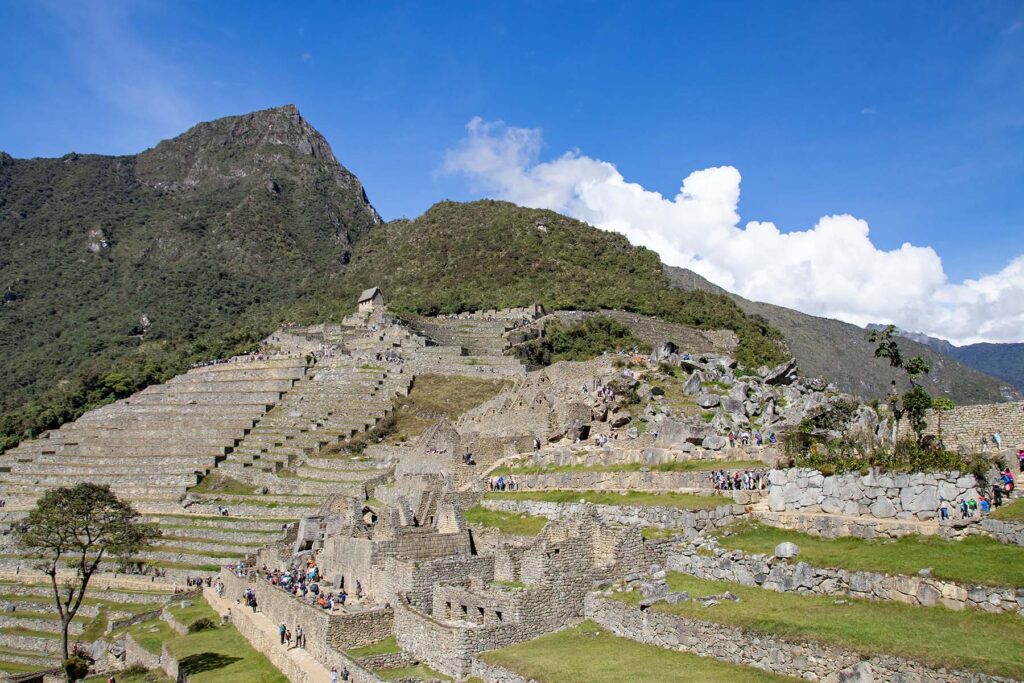
Day 11: Cusco
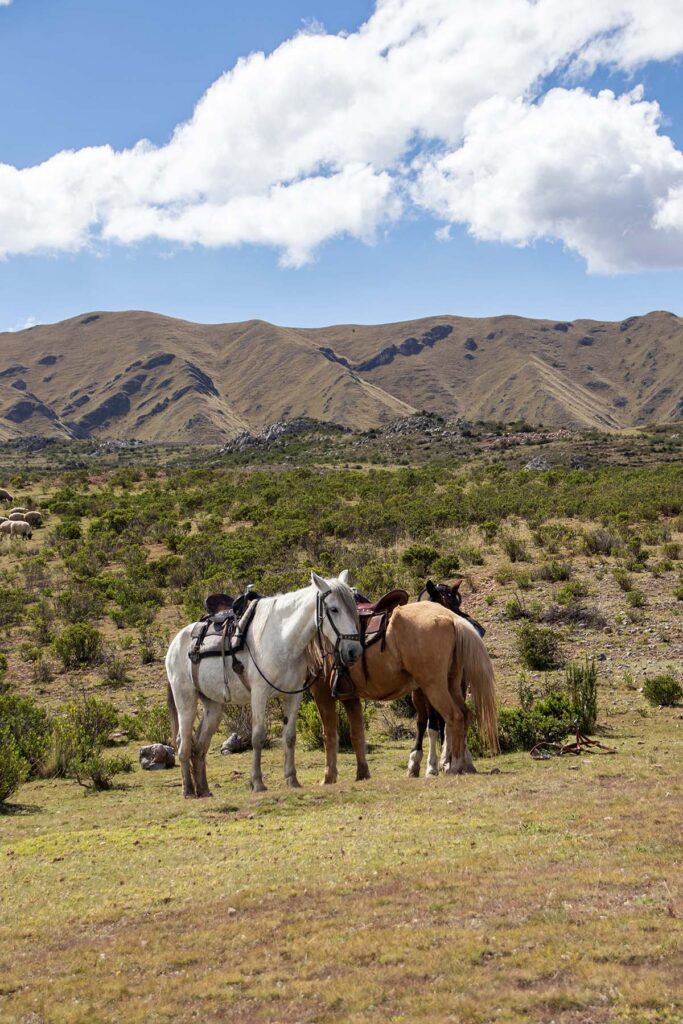
We returned to Cusco late on Day 10 and enjoyed another full day in the former Inca capital. We rode horses to the Cusco Moon Temple and to an overlook above the city.
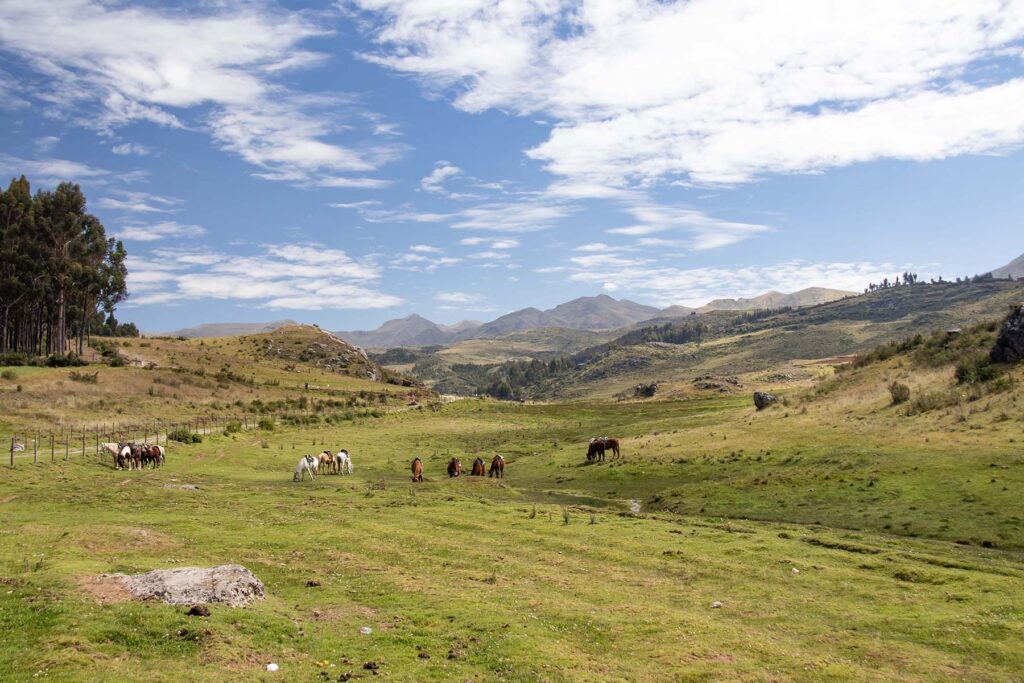
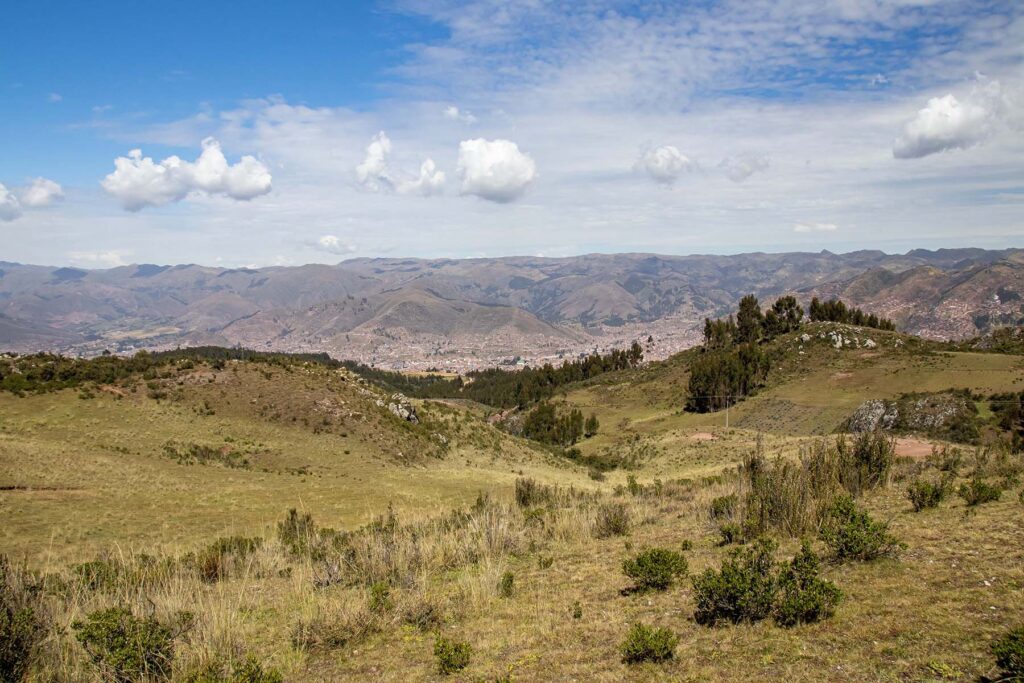
Afterward, we walked to San Cristobal Church, which overlooks Cusco, for a final view of the city.
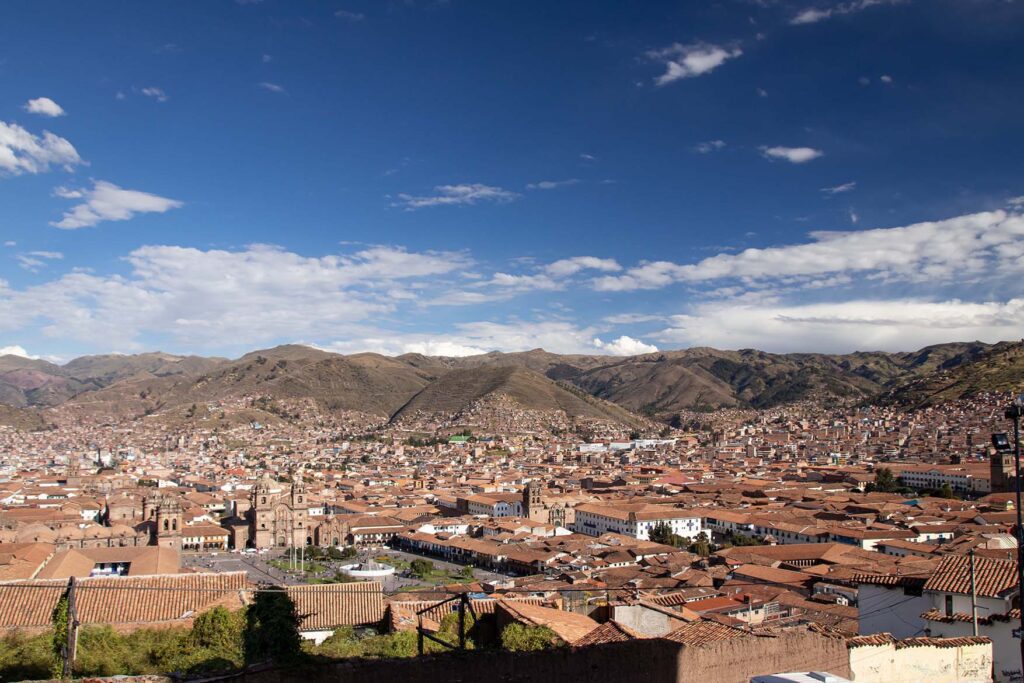
Day 12: Drive from Cusco to Puno
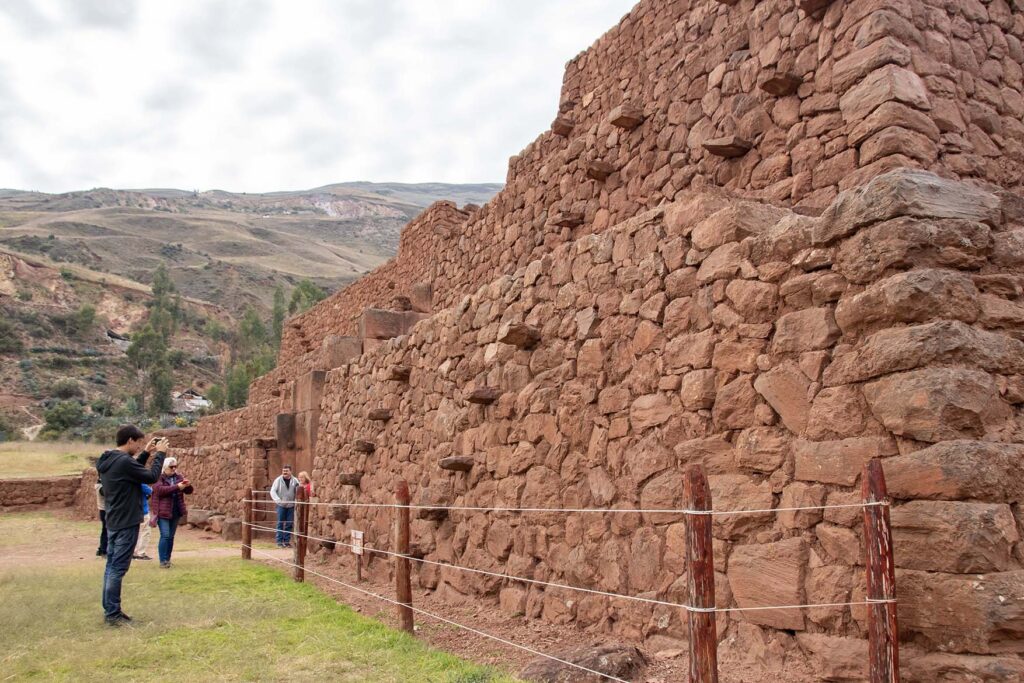
This drive was, fortunately, shorter than our previous drive from Nazca to Arequipa, but it was also an all-day activity. Our first stop was at Rumiqullqa, the Inca gate into Cusco.
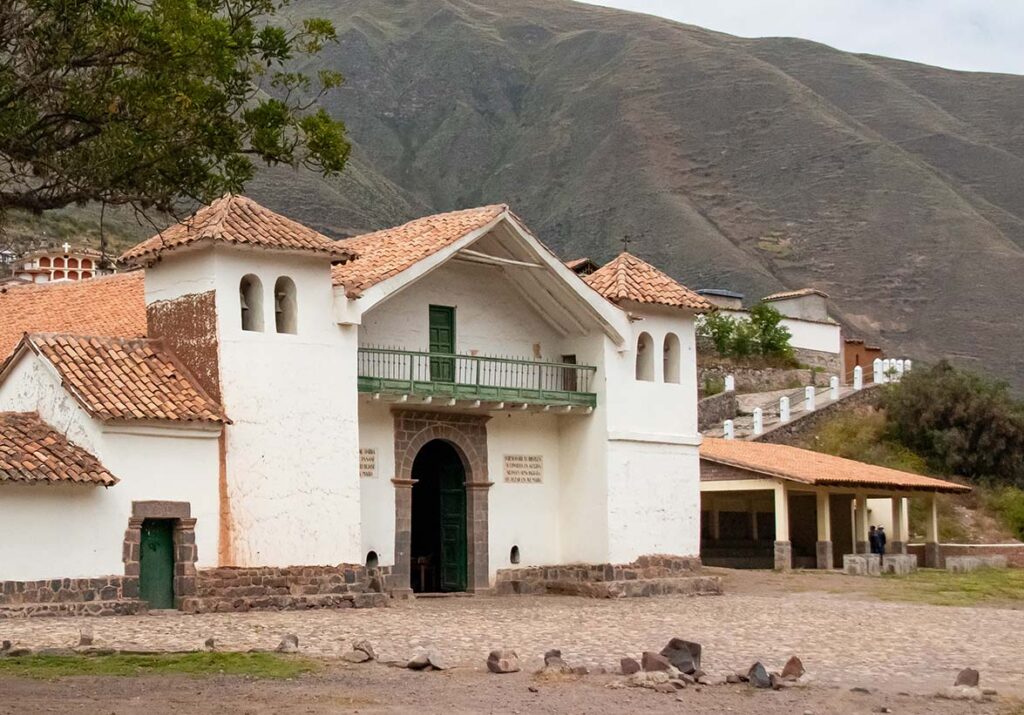
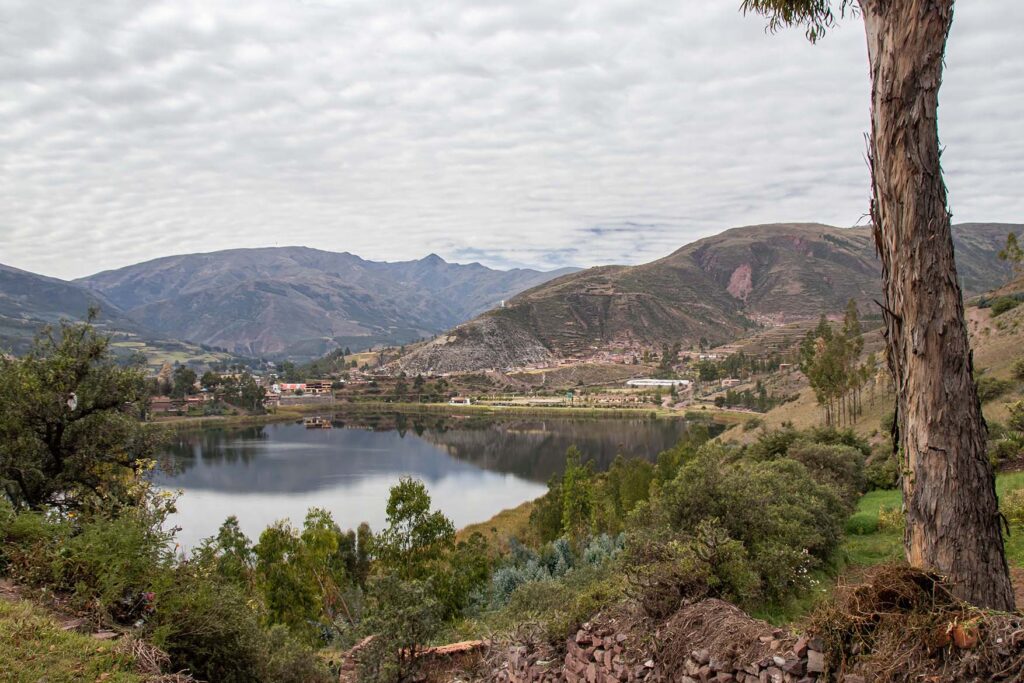
Our second stop was a colonial church and small lake near Huaro.
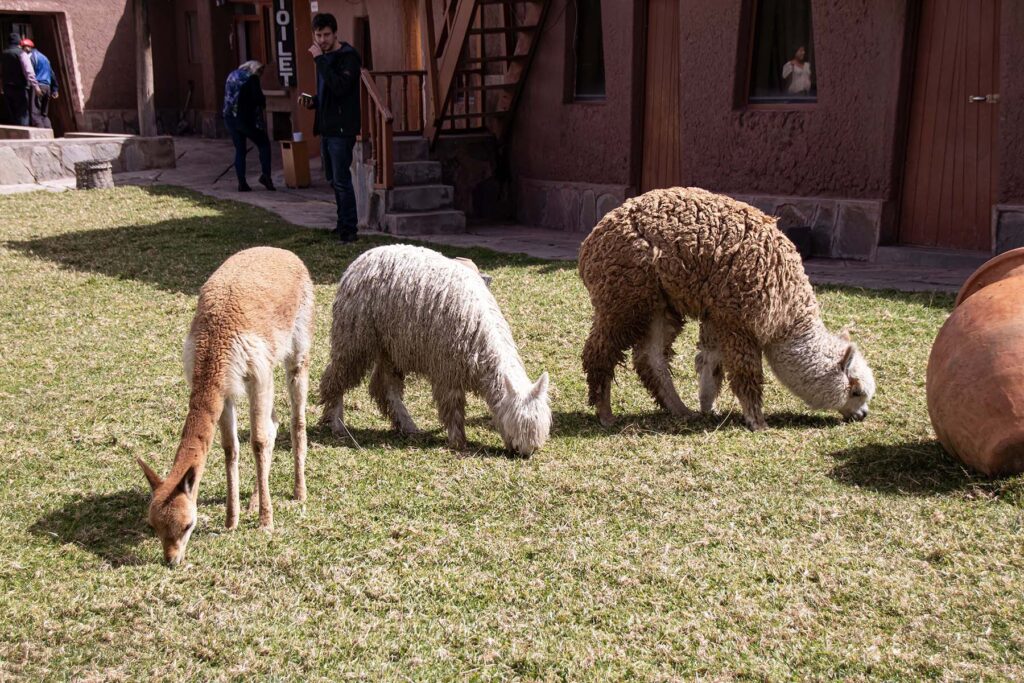
We had a short break at a tourist stop that had llamas, alpacas, and vicunas. Vicunas are not supposed to be domesticated, though occasionally someone captures a baby, which cannot be returned to the wild.
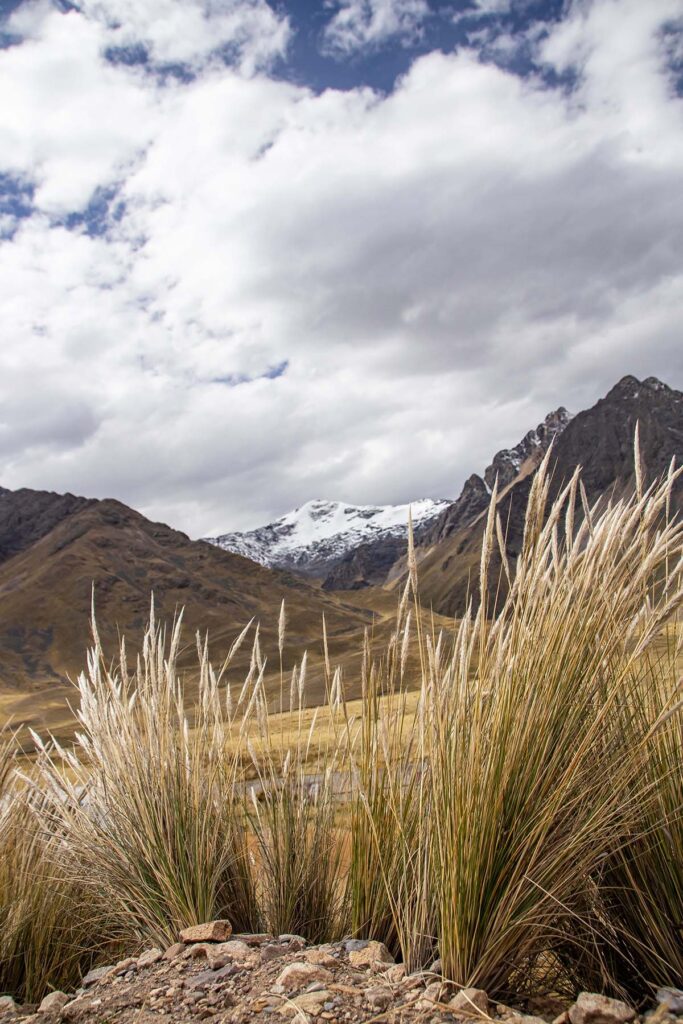
Later that day, we reached the “high point” of our journey: Abra la Raya at 14,222 feet.
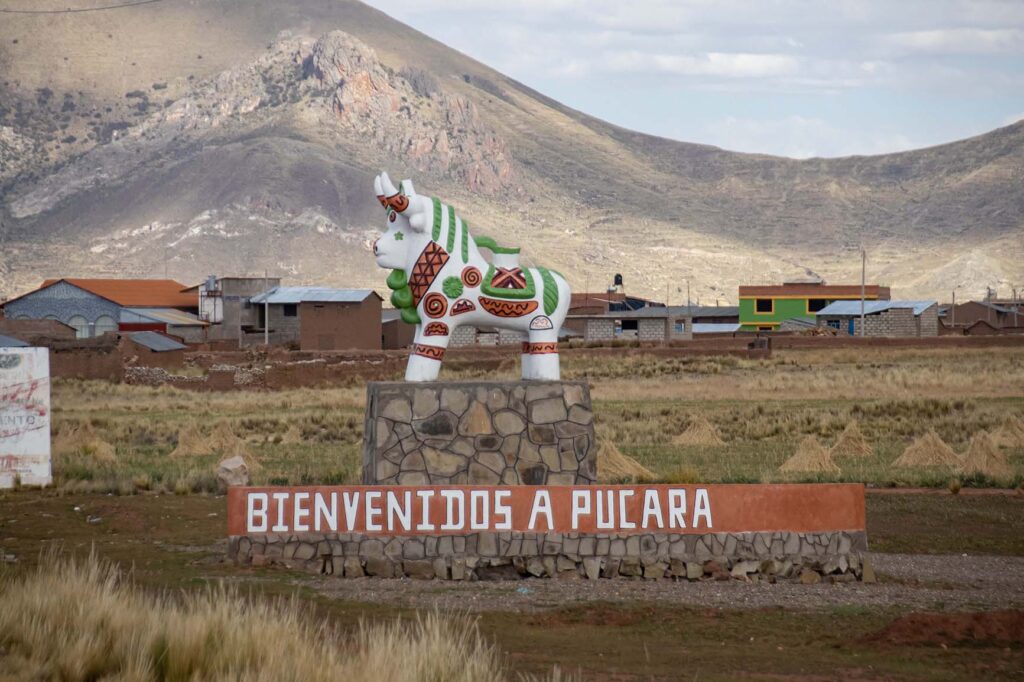
Our final stop before Puno was Pucara, a town known for crafting ceramic bulls that are placed atop Peruvian houses for luck.
Day 13: Lake Titicaca
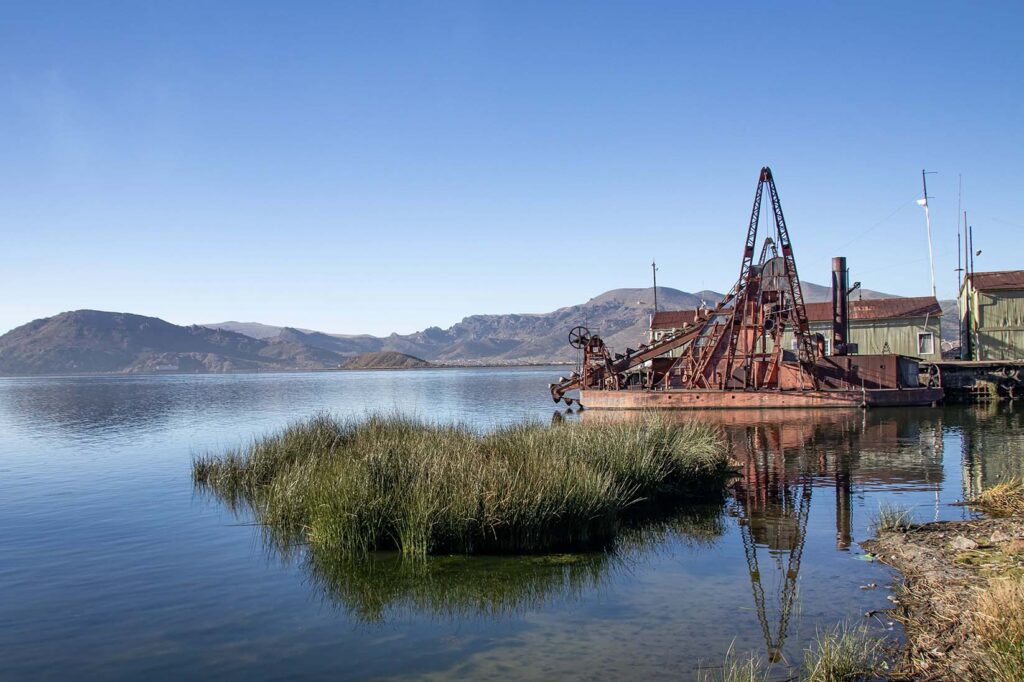
We set out early in the morning by boat to see Lake Titicaca, the highest navigable lake in the world.
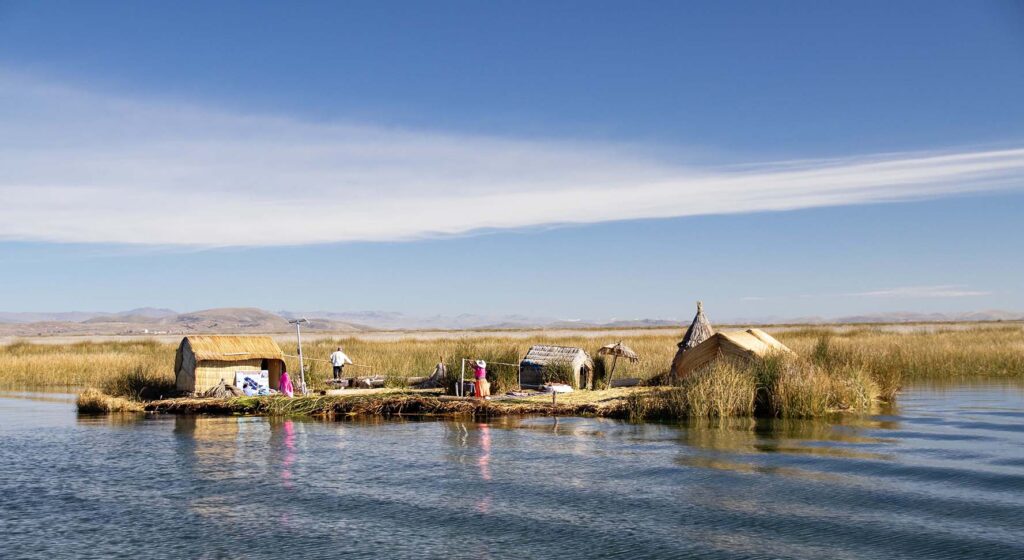
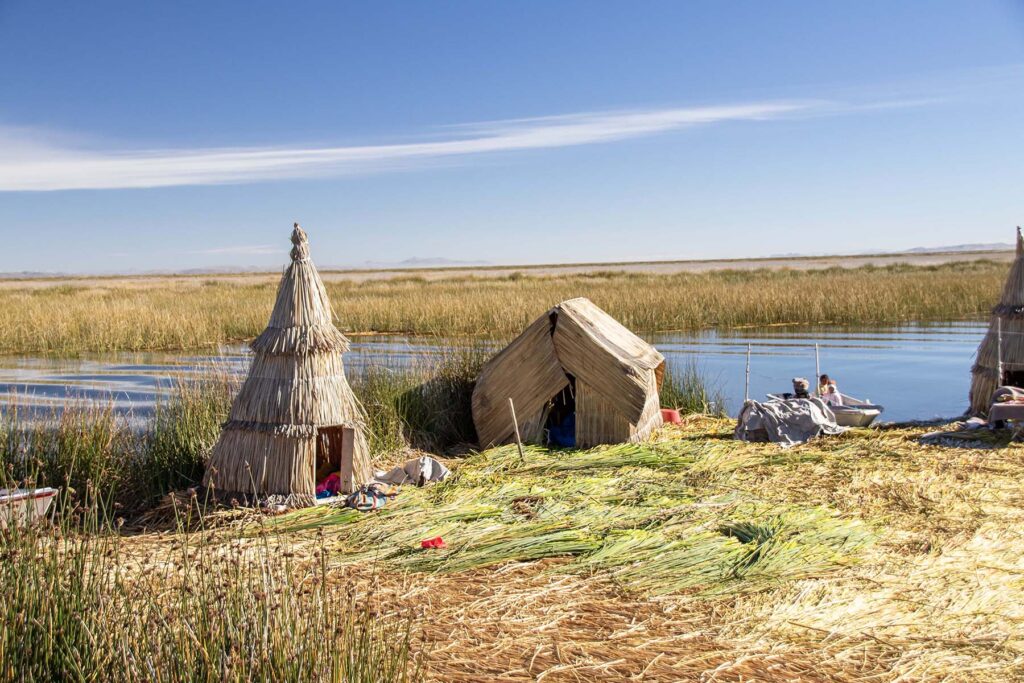
We visited a floating island, a man-made island consisting of layer upon layer of reeds anchored to plants on the lake floor. The islands are a centuries-old tradition that is kept alive by a few families today.
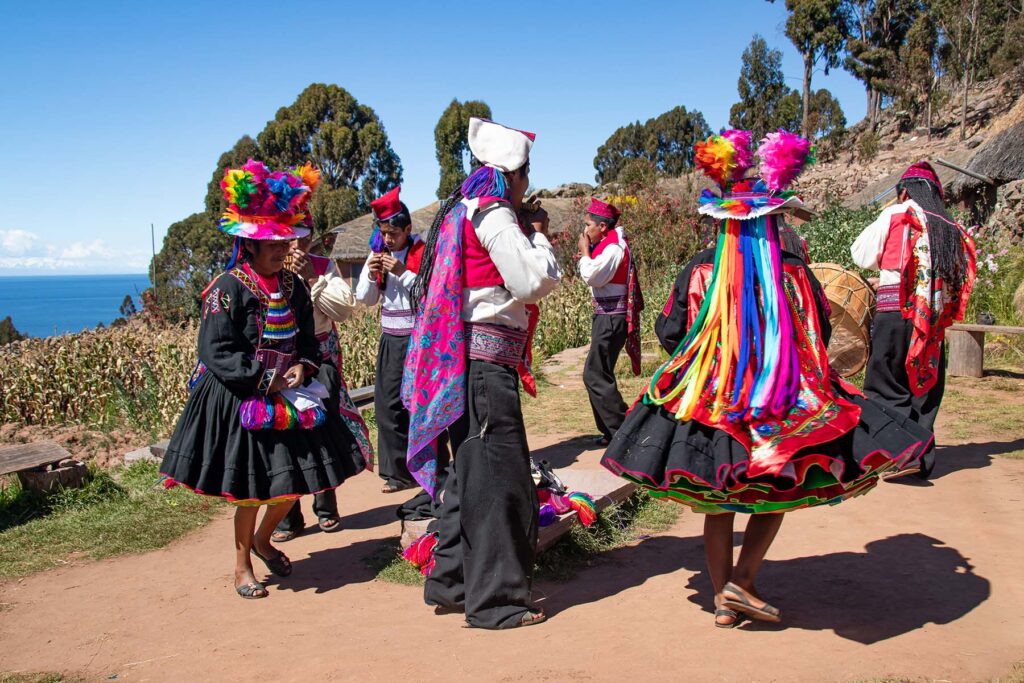
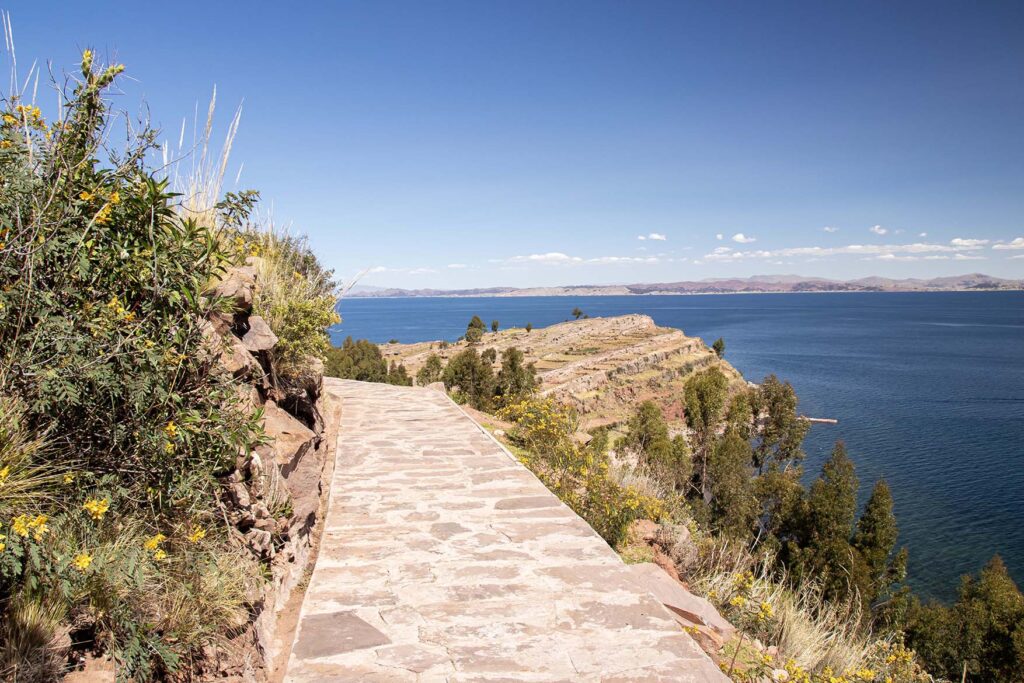
Our boat took us next to Taquile Island, a lake community whose members practice a blend of traditional Andean and Catholic culture.
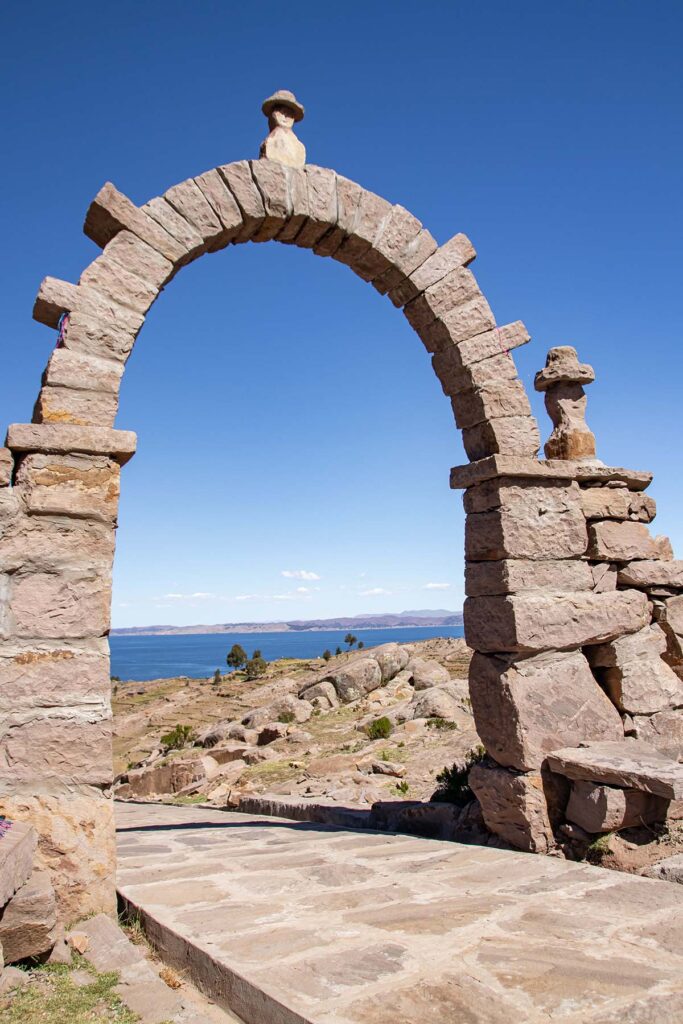
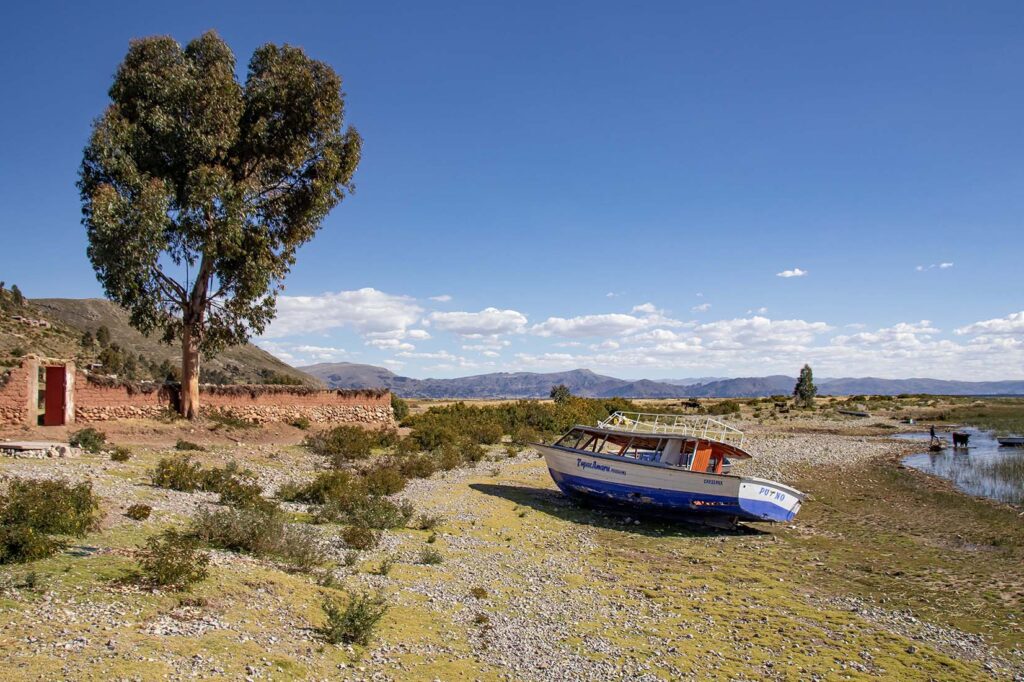
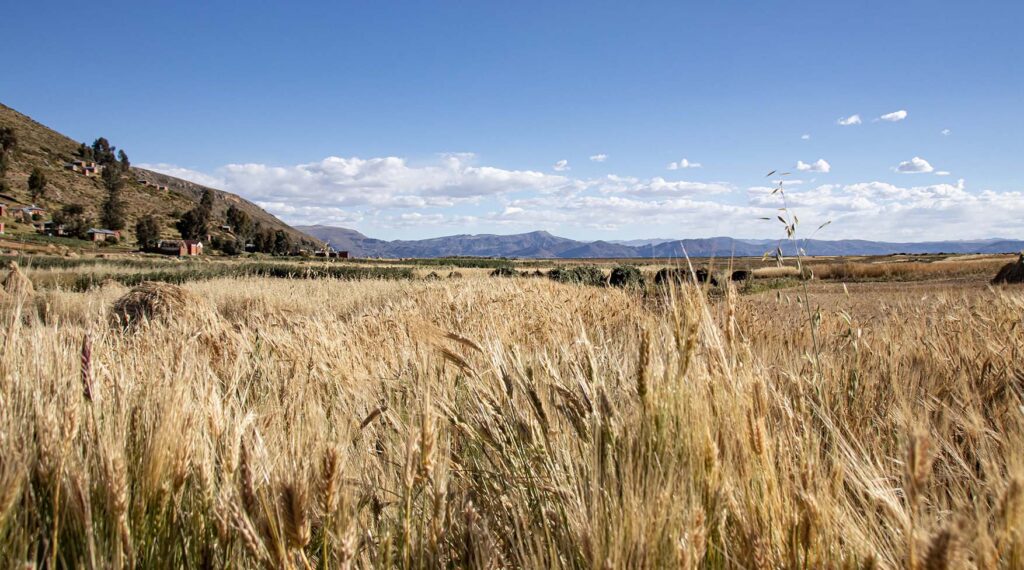
Our final stop was for lunch with a local family on the peninsula.
Day 14: Puno
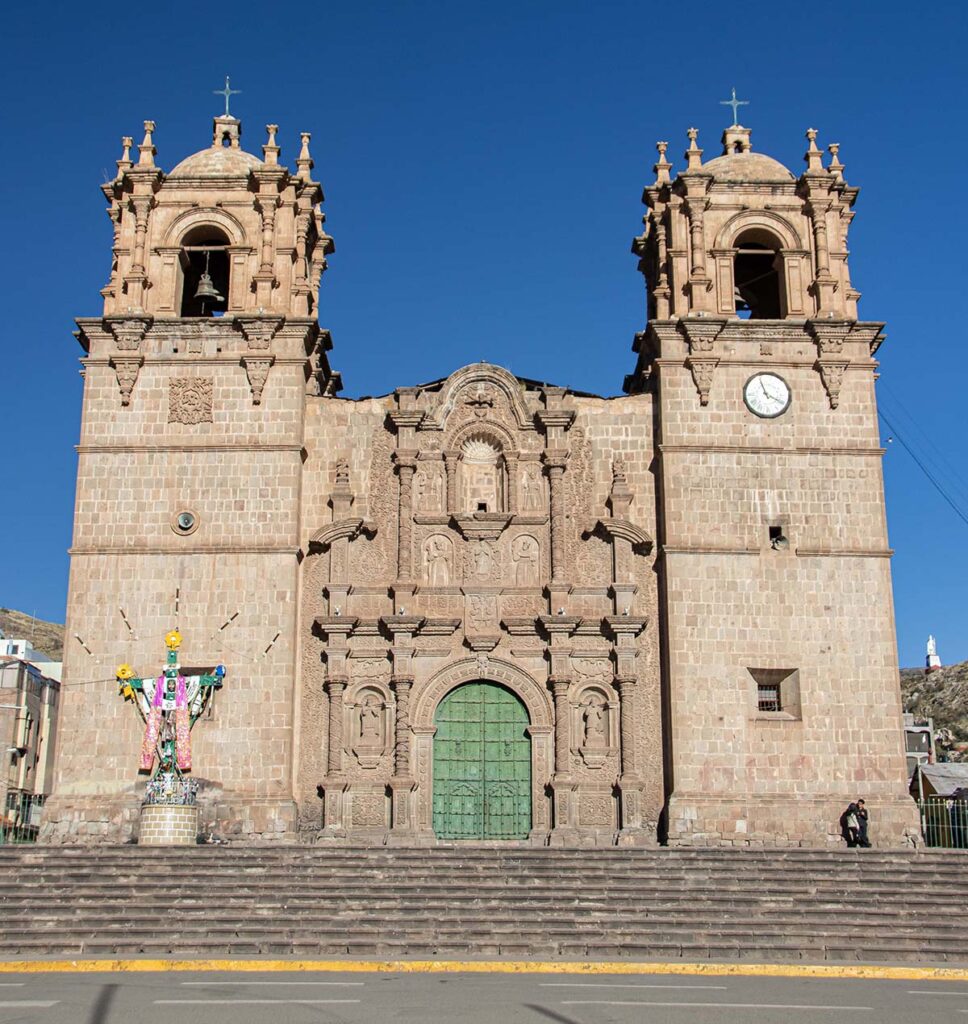
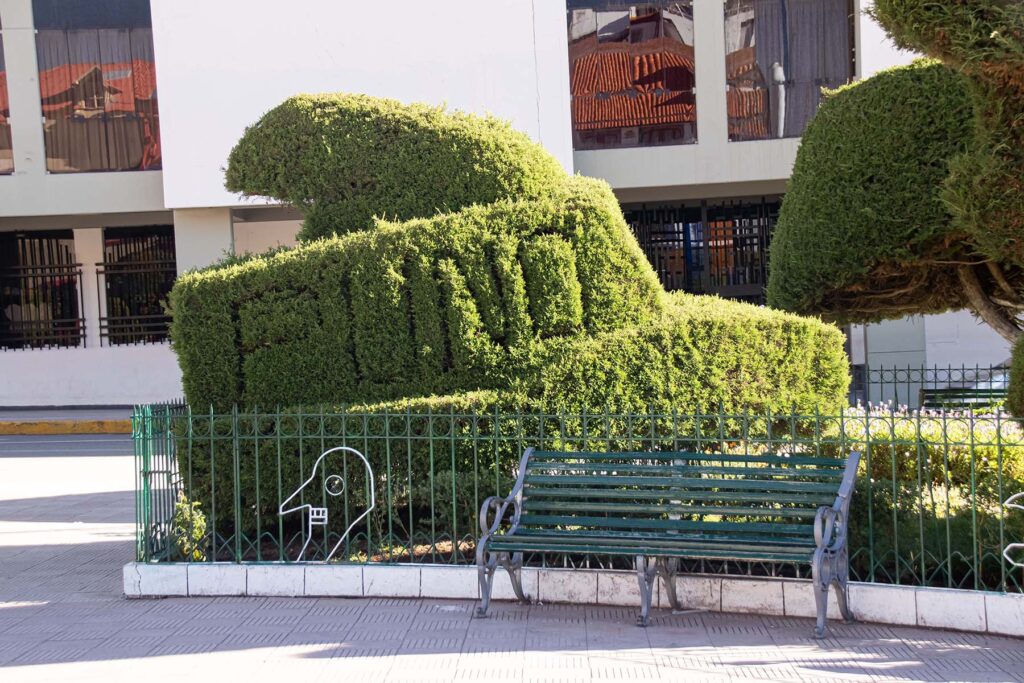
There wasn’t much to see in Puno. The downtown is nice, but it’s small. We had a few hours in the morning to walk around before our flight back to Lima.
Days 15-16: Lima to Home
From Lima, we had two flights to Dulles and a 4.5 hour drive home. Peru was amazing, and we can’t wait for the next trip. But, walking through the door after over two weeks, it was so good to be home!
(c) 2017 J. Atwater. All rights reserved.